UN escalates diplomatic pressure amid mounting atrocities in Sudan
- November 17, 2025
- 0
The UN condemned mass killings and sexual violence in Sudan, urging expanded investigations as the humanitarian crisis accelerates unchecked.

The UN condemned mass killings and sexual violence in Sudan, urging expanded investigations as the humanitarian crisis accelerates unchecked.
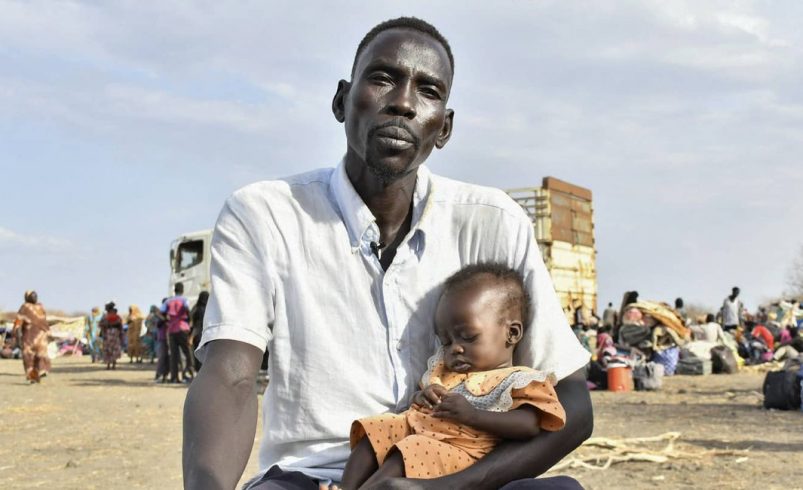
The UN issued a stark warning on Friday over the rapidly worsening situation in Sudan, condemning mass killings, torture and sexual violence committed by the Rapid Support Forces (RSF) in the city of el-Fasher in the Darfur region.
During a special session in Geneva, the Human Rights Council unanimously approved a resolution strengthening the mandate of independent experts tasked with investigating the grave abuses documented in recent weeks.
Violence reached a dramatic peak last month when RSF fighters seized control of el-Fasher. According to the World Health Organization (WHO), more than 450 people were killed in the attack on the Saudi Hospital, one of the few medical facilities still operating in the area.
Humanitarian workers and displaced residents reported house-to-house raids, executions of civilians, sexual assaults and blockades on medical assistance.
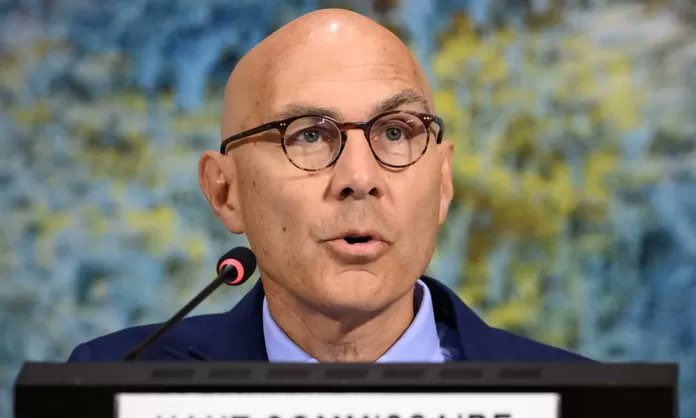
Opening the session, UN human rights chief Volker Türk said the atrocities “could be seen coming and could have been prevented,” labeling them “extremely serious crimes.”
He highlighted mass killings, ethnically targeted executions, widespread kidnappings for ransom, arbitrary detentions, and attacks on medical and humanitarian personnel. “The level of brutality is staggering,” he warned.
Mona Rishmawi, spokesperson for the UN’s investigative mission, stated that the team has documented “indescribable atrocities” since the RSF captured the city.
She stressed that “much of el-Fasher is now a crime scene,” underscoring the need for a comprehensive investigation to determine individual and collective responsibility.
The conflict between the Sudanese Armed Forces (SAF) and the RSF erupted in 2023 after the breakdown of political alliances, plunging the country into one of the world’s worst humanitarian crises.
The WHO estimates at least 40,000 deaths, while the UN reports 12 million displaced. Aid groups warn the real toll is likely much higher due to limited access to besieged areas.
Meanwhile, SAF leader Abdel-Fattah Burhan reiterated that the war “will not end with a truce but with the destruction of the rebels,” rejecting international calls for a ceasefire. During a visit to Gezira province, he urged the population to join the fight and encouraged anyone able to bear arms to enlist.
UAE Ambassador Jamal al-Musharakh condemned RSF attacks on civilians but also accused the Sudanese army of indiscriminate bombings and ignoring ceasefire appeals.
He argued that the SAF has “harbored terrorists” and protected individuals accused of genocide, illustrating the complexity of the conflict and global divisions around it.
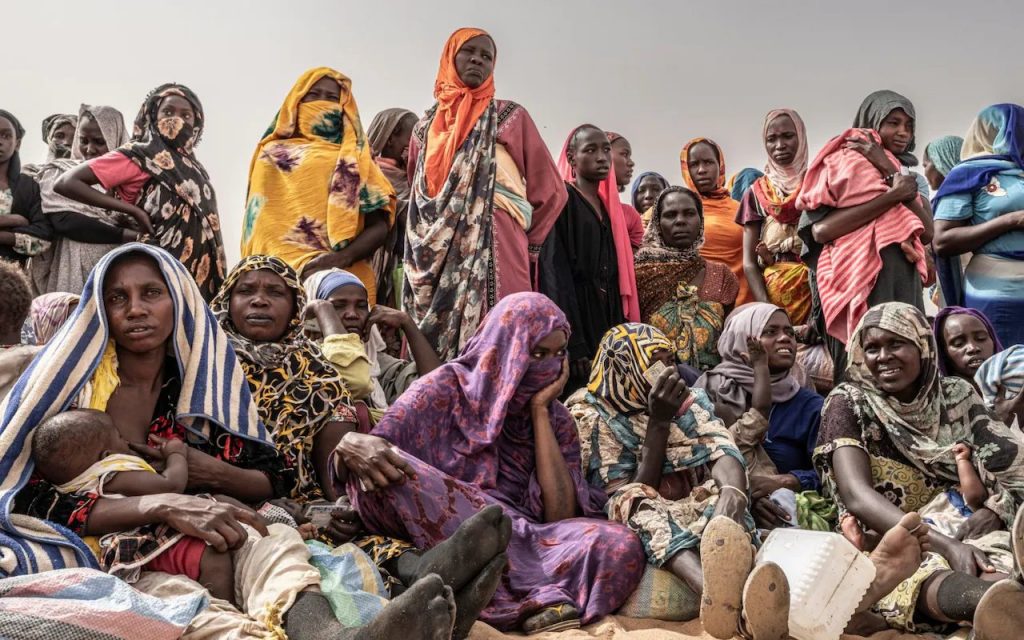
Thousands have fled from Darfur and Kordofan toward al-Dabbah in northern Sudan, according to The Associated Press. Among them is Fatheya Hussein, a resident of el-Fasher who spent more than 18 months trapped under RSF siege.
She described snipers active at night, scarce access to food and water, and “bodies scattered everywhere.” She lost 51 relatives to shelling and gunfire.
Her escape required a 65-kilometer walk to the city of Malit, where she witnessed beatings, robberies and abuses targeting fleeing families. Her cousin died of starvation along the way.
The World Food Programme (WFP) stated it is scaling up assistance for those escaping el-Fasher. Spokesperson Leni Kinzli said most arrivals are “exhausted, thirsty and malnourished,” often after days of walking in extreme conditions.