UN Warns: Global Displacement Surpasses 120 Million as Funding Crisis Deepens
- June 16, 2025
- 0
A new UN report warns that conflicts in Sudan, Ukraine and Myanmar have pushed global displacement to record levels amid brutal aid cuts.

A new UN report warns that conflicts in Sudan, Ukraine and Myanmar have pushed global displacement to record levels amid brutal aid cuts.
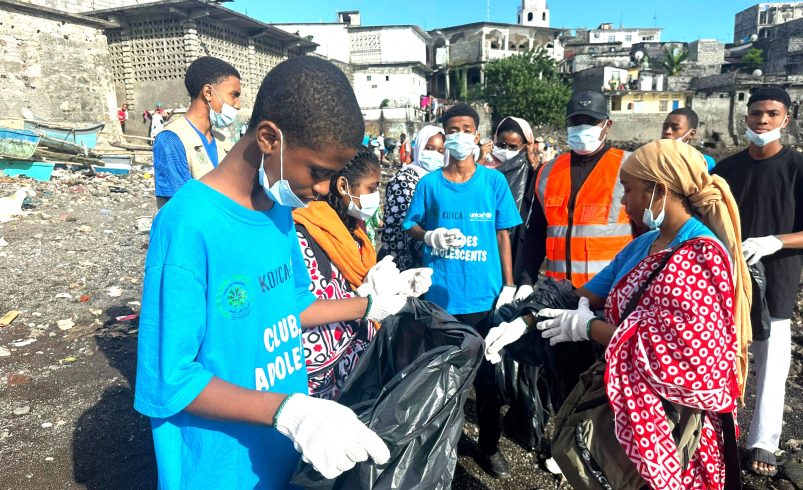
By the end of 2024, the number of forcibly displaced people worldwide reached an unprecedented 123.2 million, marking the highest figure ever recorded.
The United Nations, through its refugee agency UNHCR, revealed the data in its annual Global Trends report, released on Thursday.
According to the report, prolonged conflicts in Sudan, Myanmar and Ukraine drove much of the increase. At the same time, UNHCR warned that shrinking international aid budgets are placing millions of vulnerable people at even greater risk.
“We are living through a period of intense volatility in international relations, where modern warfare creates a fragile and deeply distressing landscape of human suffering,” said Filippo Grandi, the UN High Commissioner for Refugees. He described current displacement levels as “unsustainably high.”
Of the total displaced population, 73.5 million people remain uprooted within their own countries, while 42.7 million have fled across borders.
The report highlighted that 73% of refugees live in low- and middle-income countries, and 67% find shelter in neighboring states, placing enormous strain on host communities.
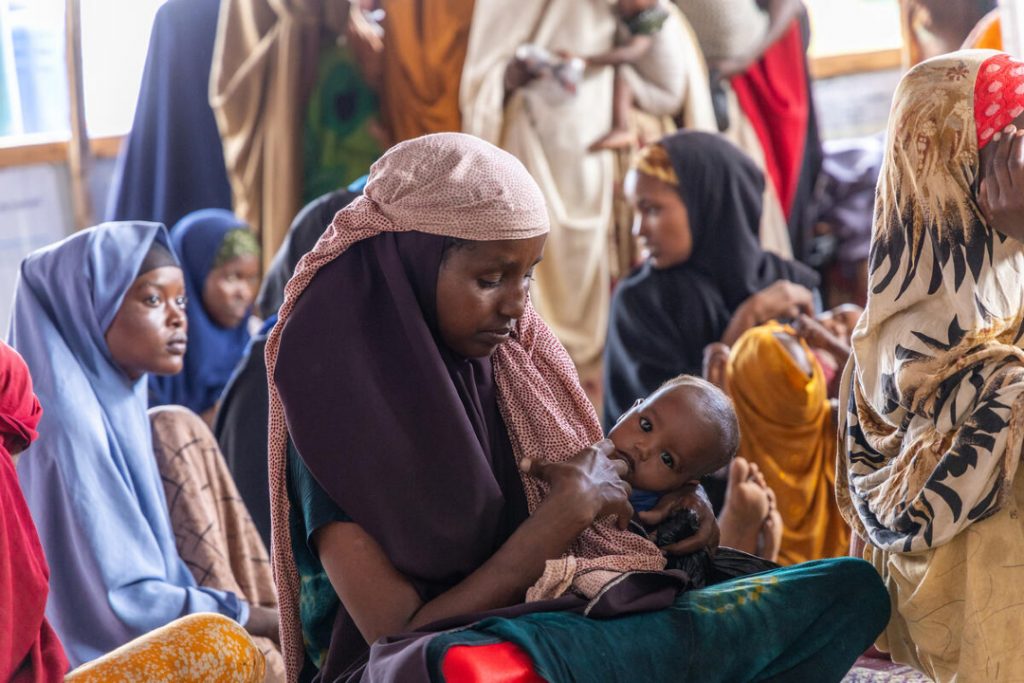
For years, Syria represented the world’s largest displacement crisis. That changed in late 2024, when the fall of Bashar al-Assad’s regime allowed hundreds of thousands to return.
By May, 500,000 refugees and 1.2 million internally displaced people had gone back to their home areas.
Yet Syria no longer tops the list primarily because Sudan has overtaken it. After more than two years of civil war, Sudan now counts 14.3 million displaced people, including 11.6 million internally displaced, nearly one-third of its population.
The UN describes it as the largest internal displacement crisis ever recorded.
The report documents families fleeing violence in southeastern Sudan’s Sennar state, many of whom sought refuge in Kassala after losing everything. Limited humanitarian resources and escalating insecurity have pushed entire communities to the brink.
Displacement also surged across the Americas, reaching 21.9 million people, or 17.6% of the global total. Haiti tripled its internally displaced population in 2024, surpassing one million, while Colombia remains among the world’s most affected countries with nearly seven million internally displaced people.
Venezuela saw a 2% increase in displacement compared to the previous year. By the end of 2024, 370,200 Venezuelans were registered as refugees, and 5.9 million required international protection, most of them in Latin America.
Personal stories underline the human cost. Sadeqa, who fled Myanmar after her husband was killed, escaped with her son to Bangladesh. Overcrowded refugee camps forced them to flee again by boat. After weeks at sea, rescuers brought them to Indonesia. “We are looking for a place where we can live in peace,” she said.
Despite the grim outlook, the UN identified signs of progress. In 2024, 188,800 refugees were permanently resettled—the highest number in 40 years. Additionally, 9.8 million people returned home, including 1.6 million refugees and 8.2 million internally displaced people, mainly in Afghanistan and Syria.
Still, UNHCR warned that many returns occurred under difficult conditions, with some refugees deported back to unsafe environments.
The report stressed that durable solutions require voluntary, safe and dignified returns, along with long-term peace and sustainable development. “The pursuit of peace must be central to all efforts,” Grandi concluded.
Finally, the UN warned that while global displacement has doubled over the past decade, UNHCR funding has remained largely stagnant, leaving millions increasingly exposed and regional stability at risk.