UN Warns of Escalating Humanitarian Collapse in Eastern DR Congo
December 10, 2025
0
The UN warns that intensified fighting in eastern DR Congo and the advance of M23 rebels are triggering mass displacement, worsening conditions, and raising the risk of a
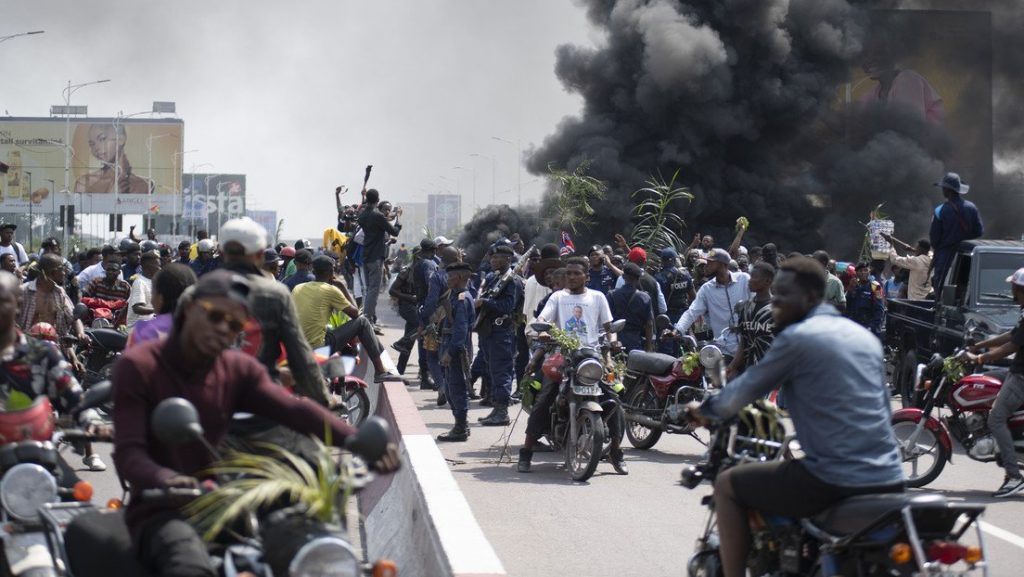
UN has issued a stark warning about the deteriorating humanitarian situation in eastern Democratic Republic of Congo (DRC), where relentless clashes between government forces and M23 rebels continue to uproot hundreds of thousands of civilians.
Officials emphasized that the escalation threatens not only local communities but also the broader stability of the Great Lakes region, calling urgently for renewed dialogue and an immediate halt to hostilities.
Bruno Lemarquis, the UN Humanitarian Coordinator in the DRC, urged all armed actors to allow life-saving aid to reach vulnerable populations.
“The rapid and uninterrupted expansion of the conflict, particularly in South Kivu, continues to inflict severe suffering on civilians,” he said. “People cannot continue paying such a devastating price for a conflict that is still spreading and now threatens the stability of the entire region.”
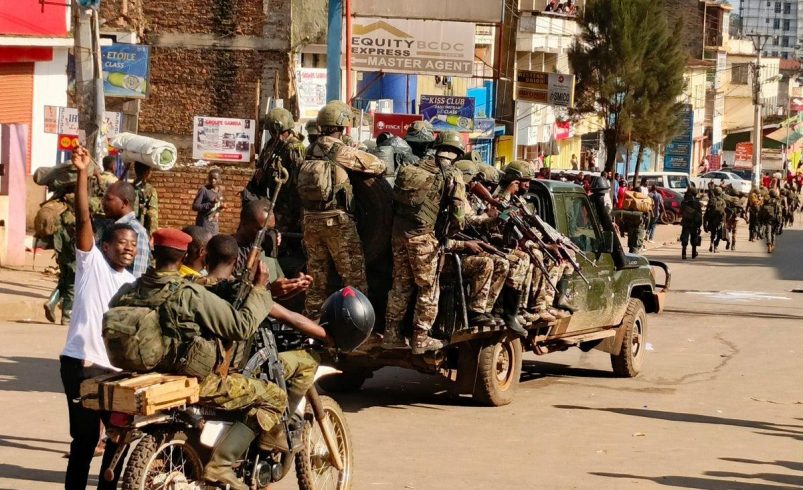
According to UN assessments, intensified offensives by the M23 have triggered waves of displacement around Bukavu. On Sunday, M23 fighters seized control of the city, the second major urban center to fall within weeks. Thousands have fled toward the Gatumba border crossing into Burundi, seeking safety from advancing rebel lines.
Lemarquis reiterated that ending clashes and restoring negotiations are essential to preventing a regional destabilization. His remarks echoed concerns raised by the UN Secretary-General, who warned that the military escalation risks pushing the region toward a broader conflict.
One of the most urgent humanitarian priorities, the UN noted, is reopening airports in Goma and Kavumu, now under M23 control, to allow humanitarian flights to resume. Teams on the ground remain committed to delivering assistance to hard-to-reach communities trapped between front lines, but access is becoming increasingly constrained.
Congo: extreme areas in danger
Security conditions in Bukavu remain “extremely tense,” according to the UN Office for the Coordination of Humanitarian Affairs (OCHA).
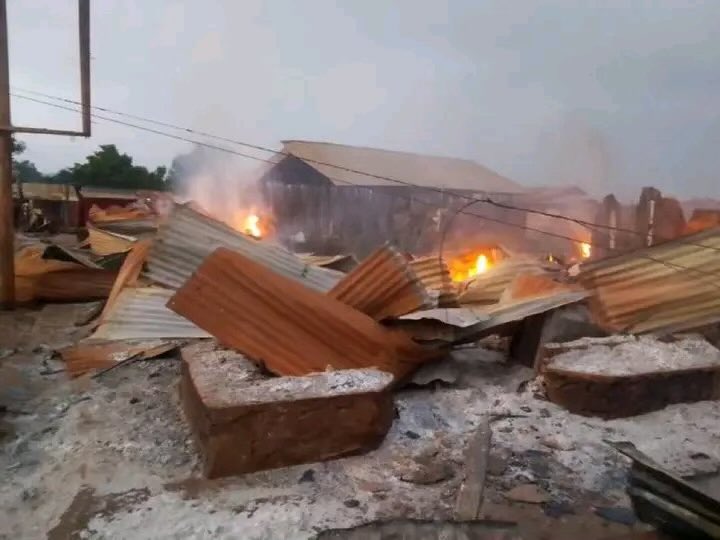
Commercial boats on Lake Kivu have cautiously resumed travel between Bukavu and Goma, but reports of widespread looting persist. Over the weekend, a World Food Programme (WFP) warehouse containing 7,000 tons of supplies was ransacked, further undermining relief operations.
“Several churches and collective centers in Bukavu are now hosting displaced families,” OCHA said, adding that needs assessments have resumed but can only continue “if conditions allow.”
The UN stressed that all parties must respect international humanitarian law, especially concerning internally displaced persons. Aid agencies raised alarm last week after M23 representatives in Goma issued a 72-hour ultimatum ordering displaced families to return to their communities. “Any return must be voluntary, safe, dignified, and sustainable,” Lemarquis emphasized.
Humanitarian workers remain guided by the principles of neutrality, impartiality, humanity, and independence, he noted, underscoring that their sole mission is to provide vital assistance.
The World Health Organization (WHO) reported that Goma’s hospitals and health centers are severely overstretched due to a surge in wounded civilians.
Many facilities are operating far beyond capacity and face urgent shortages of medicine, fuel, and surgical equipment. WHO also confirmed the destruction of 90 sites sheltering 248,676 internally displaced people.
Patients being treated for monkeypox have been forced to relocate due to the conflict, increasing the risk of uncontrolled outbreaks. The collapse of medical infrastructure adds another layer of crisis to an already volatile situation.
One of the world’s most complex humanitarian crises
The emergency in the DRC is among the world’s most protracted and complex crises, marked by decades of fighting between the national army and multiple non-state armed groups, widespread human rights abuses, and rampant sexual violence.
According to the UN Refugee Agency (UNHCR), seven million Congolese are currently displaced within the country, while more than one million have sought asylum abroad. Neighboring nations—including Angola, Burundi, Malawi, Rwanda, South Africa, Uganda, Tanzania, and Zambia—are hosting most of these refugees.
At the same time, the DRC hosts more than half a million refugees and asylum seekers from nearby conflict-affected states.
The latest surge in violence has displaced hundreds of thousands within weeks, with an estimated 10,000 to 15,000 fleeing into Burundi in just days. UNHCR called for urgent additional funding to support both refugees and host communities, warning that delays will result in further suffering.
Bintou Keita, the head of the UN peacekeeping mission in the DRC, urged the Security Council to take “urgent and decisive” action to prevent a regional war.
She welcomed the Human Rights Council’s decision to establish an investigative mission to document abuses and hold perpetrators accountable. Keita also appealed to all parties to respect their obligations to protect civilians.
Huang Xia, the Secretary-General’s Special Envoy for the Great Lakes region, warned that the intentions and limits of M23 and its supporters remain unclear. “What we do know, judging by recent developments and public discourse in the region, is that the risk of a regional conflagration is more real than ever,” he said. Xia urged intensified diplomatic efforts to salvage a decade of work toward regional integration and stability.