Donald Trump Tariffs: 50% on Brazil’s Rare Earths
- July 30, 2025
- 0
Donald Trump will impose a 50% tariff on Brazil’s rare earths. Bolsonaro and the Brazilian government aim to protect their strategic resources from United States pressure.

Donald Trump will impose a 50% tariff on Brazil’s rare earths. Bolsonaro and the Brazilian government aim to protect their strategic resources from United States pressure.
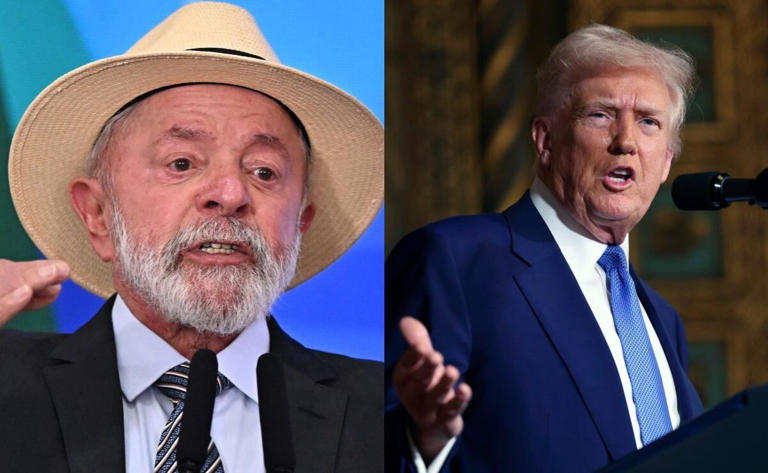
We must protect all the rich minerals you want. Nobody touches them. This country belongs to the Brazilian people,” said President Lula da Silva on July 24, responding to growing United States pressure over Brazil’s strategic minerals, including lithium and niobium.
That same day, Gabriel Escobar, the U.S. chargé d’affaires, met with representatives of the Brazilian Mining Institute (Ibram) and expressed interest in negotiating deals to secure minerals critical for technology and the energy transition.
The announcement of a 50% tariff on all Brazilian products, effective August 1, immediately raised alarms, intensifying geopolitical tensions between Brazil and the United States.
This marks the third meeting this year between officials from both countries on the exploitation of rare earth elements—a group of 17 critical materials used in electric vehicle batteries, wind turbines, guided missiles, satellites, chips, and telescopes.
Despite their name, rare earths are not scarce, but extracting them is complex and capital-intensive. According to the U.S. Geological Survey, Brazil holds the world’s second-largest reserve, roughly 21 million tons, only behind China.
“Decades ago, China made a strategic decision to dominate the entire rare earth production chain. That’s what Brazil still lacks,” said Fernando Landgraf, a professor at the University of São Paulo’s Polytechnic School.
The White House is watching closely as China, which produces more than 60% of the world’s rare earths and refines nearly 90%, leverages its strategic position.
In April, Beijing restricted exports of seven types of rare earths and permanent magnets, highlighting United States vulnerability, given its limited refining capacity. U.S. factories have already been affected.
In response, Donald Trump is seeking alternative sources. At the end of April, Washington signed an agreement with Ukraine, which holds just 5% of global reserves.
Here, Brazil comes into play, controlling 23% of known reserves. Brazil’s Ministry of Mines and Energy sees a historic opportunity to develop a domestic rare earth processing industry while using these resources as leverage in tariff negotiations with the United States.
Brazil, however, will face rates above 50%, partly tied to the ongoing trial of former President Bolsonaro for an attempted coup.
Meanwhile, U.S. and Chinese economic officials resumed talks in Stockholm to extend a tariff truce for three months. Senator Carlos Viana emphasized separating the economic agenda from politics to reduce losses for both countries.
Tensions escalated recently as Brazilian media reported that Donald Trump is considering sanctions on three Supreme Court judges under the Magnitsky Act, which could affect dollar transactions and credit cards, creating a serious conflict with Brazil.
On July 28, Lula moderated his tone and called for dialogue: “I hope the president of the United States will do what we do in the civilized world. Let’s sit down, put differences aside, and try to resolve this.” He also ordered a detailed study of Brazil’s mineral wealth, noting that only 30% of the country’s potential has been explored.
Brazil sees itself as a key player in rare earths, thanks to vast natural reserves, a clean energy matrix, stable territory, a long mining tradition, and accumulated technical expertise. The challenge now is turning this potential into industrial development, refining minerals, and adding value before export.
Lula announced the creation of a “special ultra-commission” to coordinate research and insisted that companies exploring resources operate under state control: “We must authorize companies to explore under our supervision. When they find the minerals, they cannot sell them without government approval. This is ours; it belongs to the Brazilian people.”
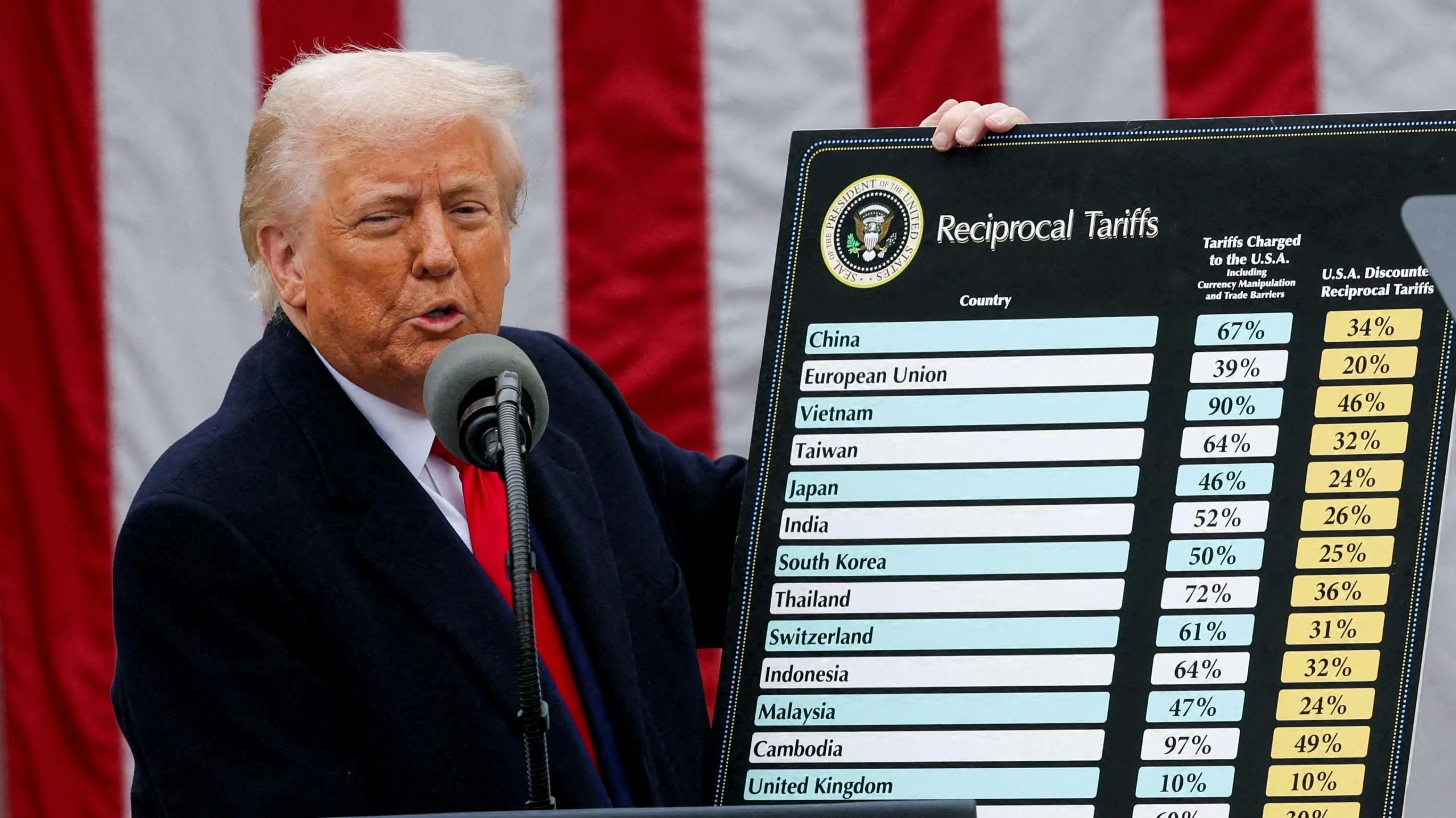
Following a recent EU trade agreement, Trump announced tariffs between 15% and 20% on partners who don’t sign a direct deal with Washington.