Two years of conflict in Gaza: Israel faces military successes and humanitarian challenges
October 7, 2025
0
After two years of war in Gaza, Israel continues fighting Hamas, achieving limited military gains while facing severe humanitarian and political consequences.
October 7, 2023, marked one of the darkest days for Israel: a massive attack by Hamas caught the country off guard, with fighters crossing the border from Gaza, killing over 1,200 people and abducting 250. The sense of vulnerability remains palpable in Israeli society.
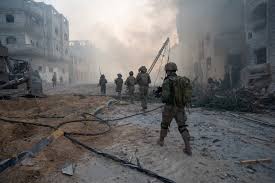
The government responded immediately with airstrikes on Gaza, which, according to the Gaza Health Ministry run by Hamas, resulted in more than 65,000 deaths and 160,000 injuries.
Over 90% of homes were destroyed or damaged, and 1.9 million people were displaced within the small territory. The humanitarian crisis includes severe hunger, limited access to clean water and essential services, and widespread infrastructure devastation.
Israel set two clear objectives: to free all hostages and eliminate Hamas. Two years later, results remain partial. Of the 251 hostages, 148 have been released; only eight were rescued directly by the Israeli military. Hamas still holds around 47, with only an estimated 20 alive.
The terrorist organization remains active, having shifted from a paramilitary structure to a decentralized guerrilla force despite thousands of fighters and key leaders being killed.
The 20-point plan presented by former U.S. President Donald Trump proposes freeing the remaining hostages and disarming Hamas, offering amnesty to those who accept peaceful coexistence, potentially ending the armed militia but not necessarily its ideology.
Gaza and Israel: an escalating conflict
The conflict has also weakened Hamas’s allies, such as Hezbollah in Lebanon and the Houthis in Yemen. Israeli attacks significantly reduced their military capacity, and operations in Iran damaged the nuclear program and eliminated key figures like Ismail Haniyeh.
The fall of Bashar al-Assad in Syria further weakened the so-called “Shia Crescent,” consolidating Israel’s military dominance in the region.
However, these successes have come at a high political cost. Israeli strikes on hospitals, schools, and civilians have sparked international accusations of genocide, humanitarian aid blockages, and partial sanctions from countries like Colombia, South Africa, and Malaysia, while the EU debates economic measures and diplomatic restrictions.
The International Criminal Court issued arrest warrants against Benjamin Netanyahu and Joav Galant for crimes against humanity.
Recognition of Palestine as an independent state has grown, with 20 countries joining the 137 that had already done so, despite Netanyahu’s opposition, which frames it as a reward to Hamas.
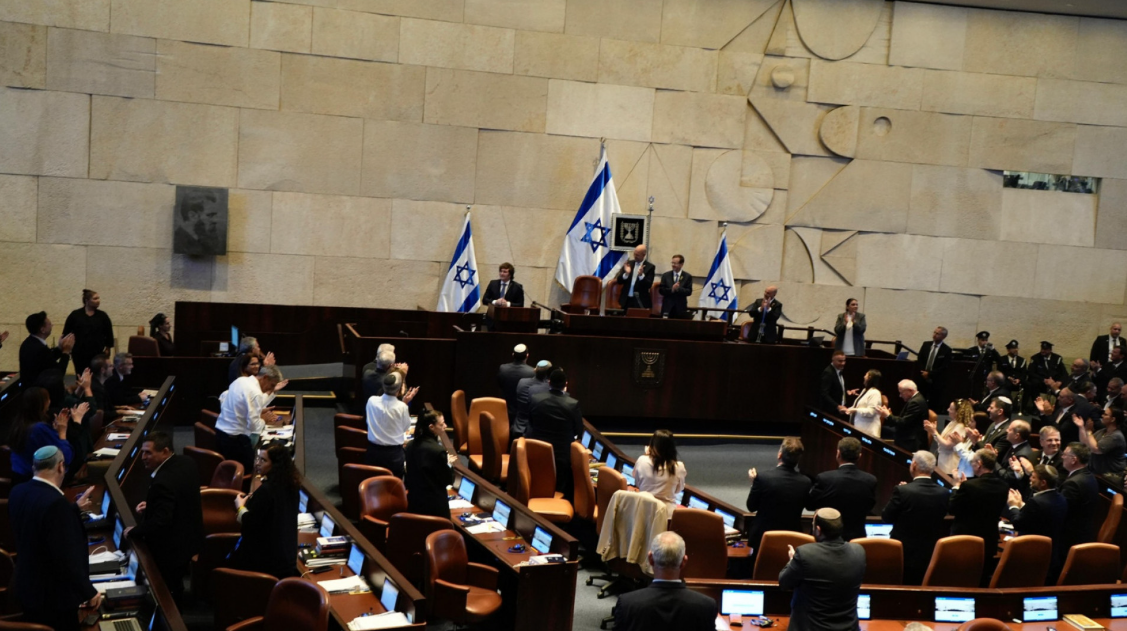
Internally, Israel is deeply divided: some ministers push for harsher military measures, while a growing sector of society and hostage families demand negotiations and a ceasefire.
Amid this complex reality, Trump’s proposal could offer a glimmer of hope, though its implementation remains uncertain. The effects of the conflict and the wounds inflicted on both Israelis and Palestinians are likely to persist for years, profoundly shaping the political, social, and humanitarian future of the region.