Trump hardens global stance after Nobel snub and renews pressure over Greenland
- January 17, 2026
- 0
A letter from Trump to Norway reignites tensions with Europe, blending power politics and prestige as the United States sharpens its global tone.

A letter from Trump to Norway reignites tensions with Europe, blending power politics and prestige as the United States sharpens its global tone.
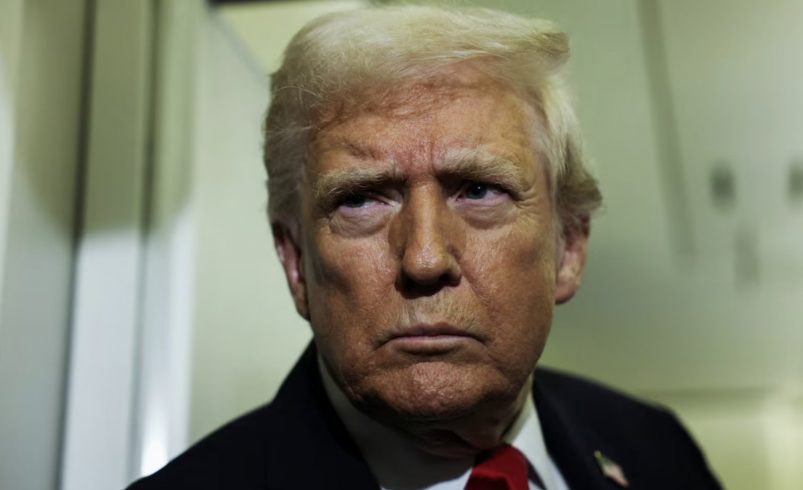
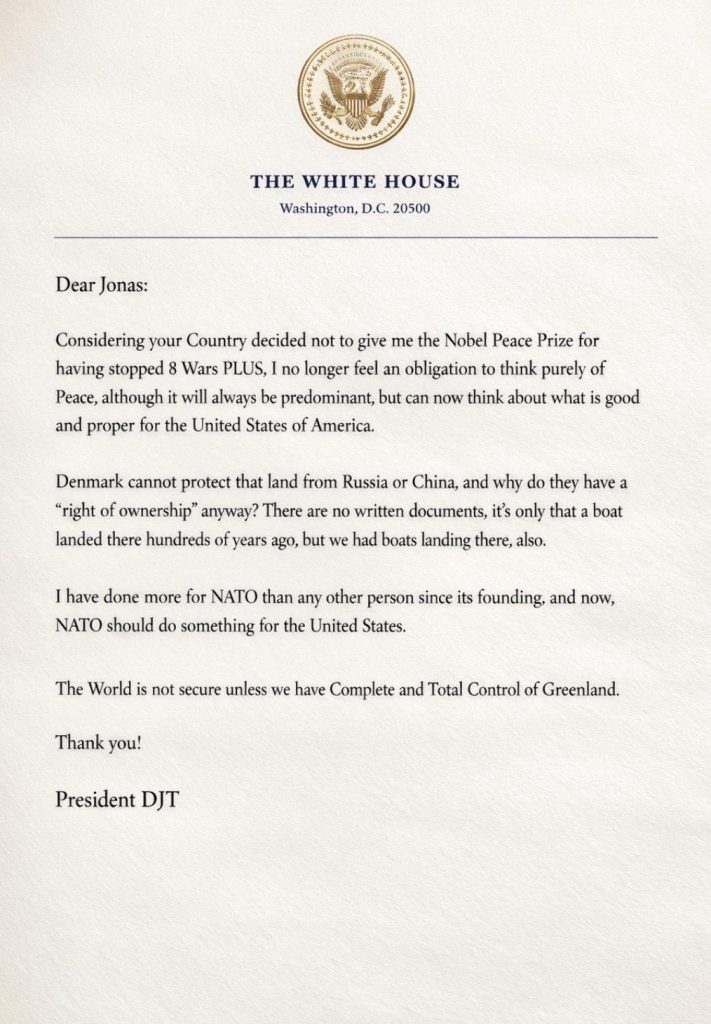
A new diplomatic controversy involving Trump has once again strained relations between the United States and Europe, after the president sent a letter to Norway’s Prime Minister Jonas Gahr Støre stating that he no longer feels obligated to “think only about peace” following his failure to receive the Nobel Peace Prize.
The letter, seen by Reuters, was sent in response to a joint message from Støre and Finnish President Alexander Stubb, who opposed Washington’s decision to impose tariffs on European allies for refusing to allow U.S. control over Greenland.
In the document, Trump argues that by not being awarded the Nobel—despite what he claims was his role in stopping “eight more wars”—he is now free to focus on what he believes is “good and appropriate for the United States of America,” while still maintaining that peace remains a dominant goal.
Støre publicly reiterated that the Norwegian Nobel Committee operates independently and that the government of Norway has no authority over the prize, a point Trump has repeatedly dismissed in his political rhetoric.
Last year’s Nobel Peace Prize was awarded to Venezuelan opposition leader María Corina Machado, who recently handed her gold medal to Trump during a meeting at the White House. The Nobel Committee, however, clarified that the prize cannot be transferred, shared, or revoked.
Beyond the Nobel issue, the letter once again places Greenland at the center of Trump’s foreign policy ambitions. He questioned Denmark’s sovereignty over the island, arguing that Copenhagen is incapable of protecting it from Russia or China.
Trump also challenged historical claims to the territory, suggesting that past maritime presence alone does not confer ownership.
His remarks blend security concerns, historical interpretation, and strategic dominance. References to Arctic routes, mineral wealth, and even science linked to territorial control underscore a worldview driven by direct competition. Greenland, rich in resources and strategically vital in the Arctic, remains a flashpoint in global geopolitics—and a symbol of the confrontational tone shaping U.S. policy.