Trump intensifies rhetoric against Somali community as targeted immigration operation moves forward in Minnesota
December 5, 2025
0
Amid national backlash, Trump escalates his attacks on Somali immigrants and backs an ICE operation in Minnesota that local leaders denounce as discriminatory.
President Donald Trump reignited controversy this week after referring to Somali immigrants as “trash” and declaring that they should “go back to where they came from.”
His remarks coincided with the impending launch of a targeted immigration enforcement operation aimed at Minnesota’s large Somali community, sparking alarm among local leaders and civil rights advocates.
“I don’t want them in our country, I’ll be honest with you,” Trump said during a televised Cabinet meeting, adding that the U.S. was heading “down the wrong path if we keep letting trash into our country.”
His statements were immediately condemned by state officials, who described them as inflammatory and rooted in racial animus.
The planned operation, first reported by CBS News, directs Immigration and Customs Enforcement (ICE) to focus on undocumented Somali immigrants living in Minneapolis and St. Paul home to the largest Somali community in the United States, estimated at more than 80,000 people.
A federal official familiar with the initiative said hundreds of people may be targeted once the operation begins later this week. Local authorities warn that such a broad sweep could unjustly affect U.S. citizens who merely “appear Somali.”
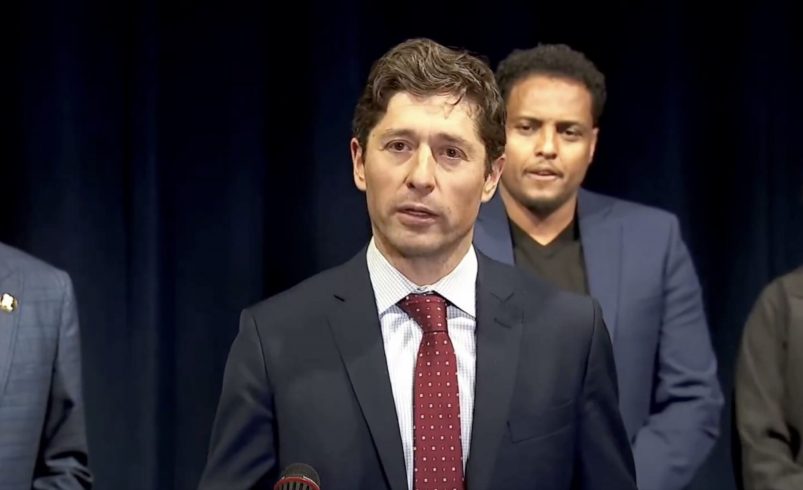
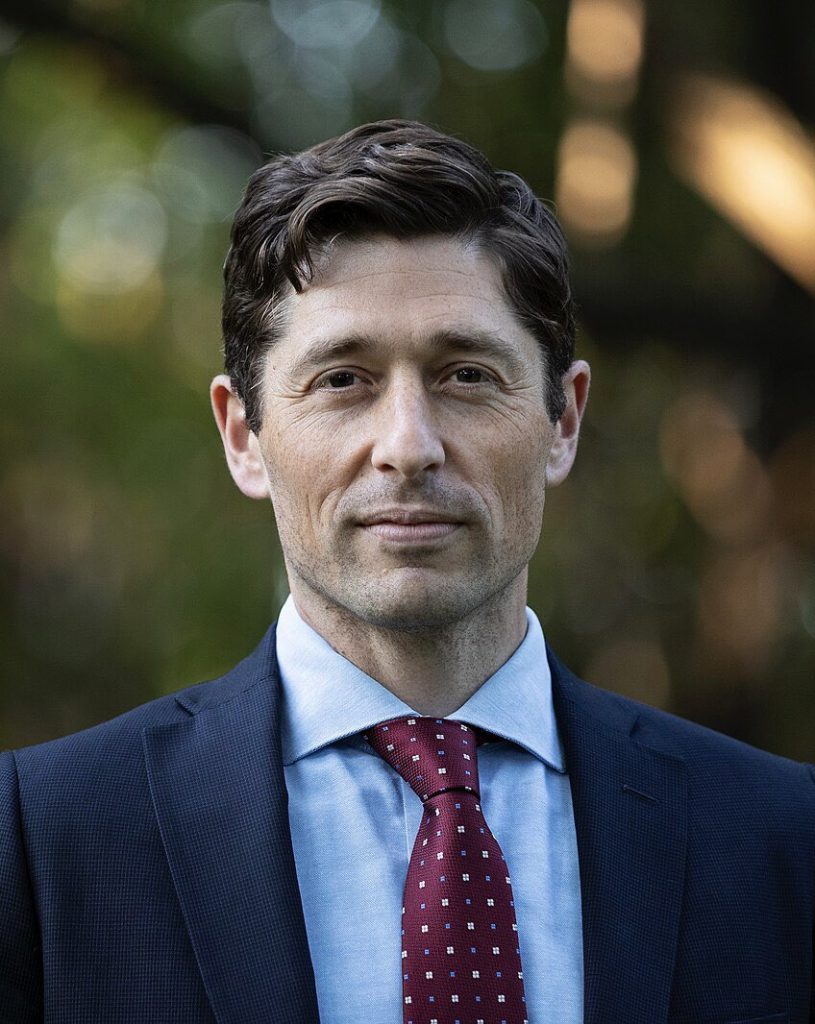
Minneapolis Mayor Jacob Frey denounced the plan, saying an ICE operation of this scale “amounts to a violation of due process” and reaffirmed that the city would not cooperate with actions it considers discriminatory.
Somali-American families, many of whom have lived in the U.S. for decades, expressed growing fear as reports of the enforcement effort circulated.
Department of Homeland Security announces consequences
Trump defended his stance by portraying Somalia as a failed state. “Somalia, which is hardly a country—you know, they don’t have anything. They’re just killing each other. There’s no structure,” he said.
He also renewed attacks on Democratic Representative Ilhan Omar, the first Somali-American elected to Congress. “I watch her all the time,” Trump stated. “She hates everybody.
And I think she’s an incompetent person.” Omar responded on social media, writing that the president’s “obsession with me is creepy,” and adding: “I hope he gets the help he so desperately needs.”
Tensions escalated further after Trump announced plans to end Temporary Protected Status (TPS) for Somali nationals living in the U.S. since the early 1990s.
TPS—initiated due to Somalia’s protracted conflict—has allowed thousands of Somalis to remain lawfully in the country for decades. If revoked, hundreds could lose their legal protection.
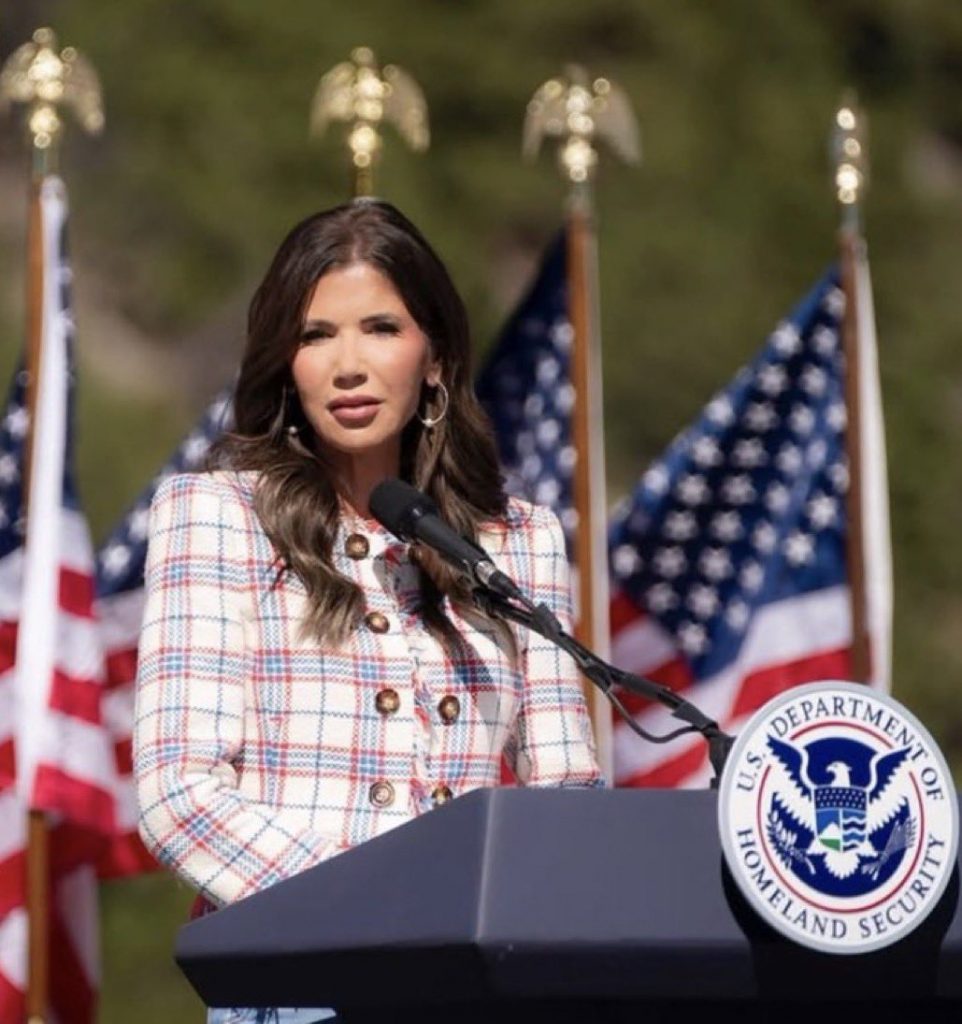
The Department of Homeland Security (DHS), led by Secretary Kristi Noem, denied that the new enforcement operation targets people based on their ethnicity.
“What makes someone a target for ICE is not their race or ethnicity but being in the country illegally,” said DHS deputy press secretary Tricia McLaughlin.
However, Trump’s own statements have fueled accusations that the operation is politically and racially motivated, contradicting DHS’s public stance. Civil rights organizations and advocates for human rights argue that the president’s rhetoric directly undermines claims of neutrality.
In a parallel development, Treasury Secretary Scott Bessent announced an investigation into unverified allegations that Minnesota state funds were funneled to Al–Shabab, the Somalia-based militant group aligned with Al-Qaeda.
Militants denied the claims, and security experts warned the accusations were highly speculative. Local officials argued that such announcements contribute to stigmatizing the entire Somali community without evidence.
The escalation of Trump’s anti-immigration messaging follows a deadly shooting in Washington, D.C., where two National Guard members were attacked.
The suspect—an Afghan who arrived in the U.S. in 2021—was not Somali, yet Trump cited the incident as evidence that immigration from what he called “third-world countries” should be permanently halted.
Somalia’s position
Somalia’s Foreign Minister, Ali Omar, appeared to address the rising political rhetoric without naming Trump directly. Posting on X, he wrote: “For some, it has become too easy to use Somalia as a scapegoat or a distraction from their own failures.”
Minnesota state senator Zaynab Mohamed responded sharply on X, stating that when ICE agents interact with local Somalis, they will “discover what we’ve been saying for years: almost all of us are U.S. citizens.”
Governor Tim Walz, who has clashed with Trump in recent days, criticized the administration’s approach, saying: “We welcome support in investigating and prosecuting crimes. But staging a media spectacle and indiscriminately targeting immigrants is not a real solution.”
Local community organizations are now bracing for the impact of the enforcement action, which could begin at any moment. Legal aid groups have extended emergency services, helping residents understand their rights and prepare for possible detentions.
Leaders in Minnesota continue urging the federal government to call off the operation, arguing that it exacerbates fear rather than addressing legitimate security concerns.
For now, all signs indicate that Trump intends to push forward with an increasingly aggressive immigration agenda—one that places Minnesota’s Somali community, one of the most established and visible in the Midwest, directly in its crosshairs.