Trump steps up pressure in the Caribbean and threatens to cut oil supplies to Cuba after Venezuela shift
January 11, 2026
0
After redefining policy toward Venezuela, Trump warns Cuba will lose Venezuelan oil and urges Havana to strike a deal with Washington “before it’s too late”.
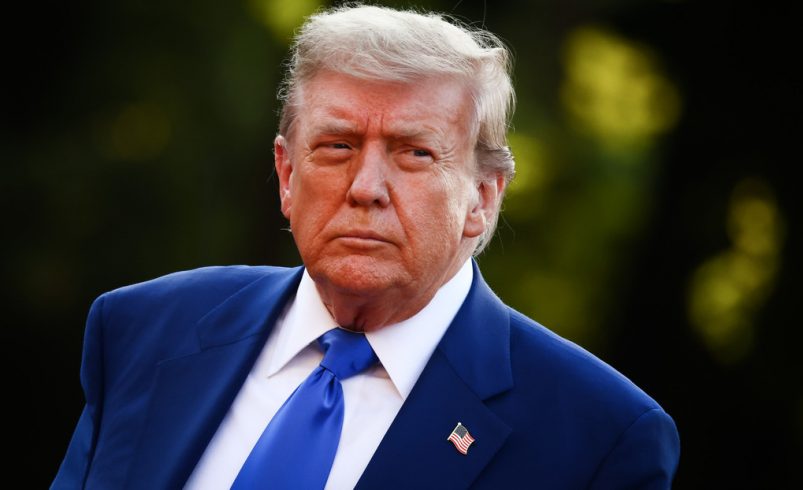
U.S. President Donald Trumponce again reshaped the Caribbean landscape by warning that Cuba will stop receiving oil and financial support from Venezuela, while urging Havana to reach an agreement with Washington “before it’s too late.”
The statement, delivered in an unmistakably ultimatum-like tone, combined energy pressure, coercive diplomacy, and a clear signal of geopolitical realignment.
Trump argued that the long-standing cooperation between Caracas and Havana has come to an end. According to his message, Venezuelan crude shipments and the financial flows linked to that relationship will be cut as part of the new U.S. regional strategy.
He claimed that Cuba relied for years on Venezuelan oil and, in return, provided political backing and security-related assistance to successive Venezuelan governments.
The warning comes amid a broader shift in U.S. policy toward Venezuela, following political and operational changes that allowed Washington to regain influence over the country’s oil sector.
Within that framework, the White House aims to isolate Venezuela’s traditional allies and reshape the balance of power across the Caribbean.
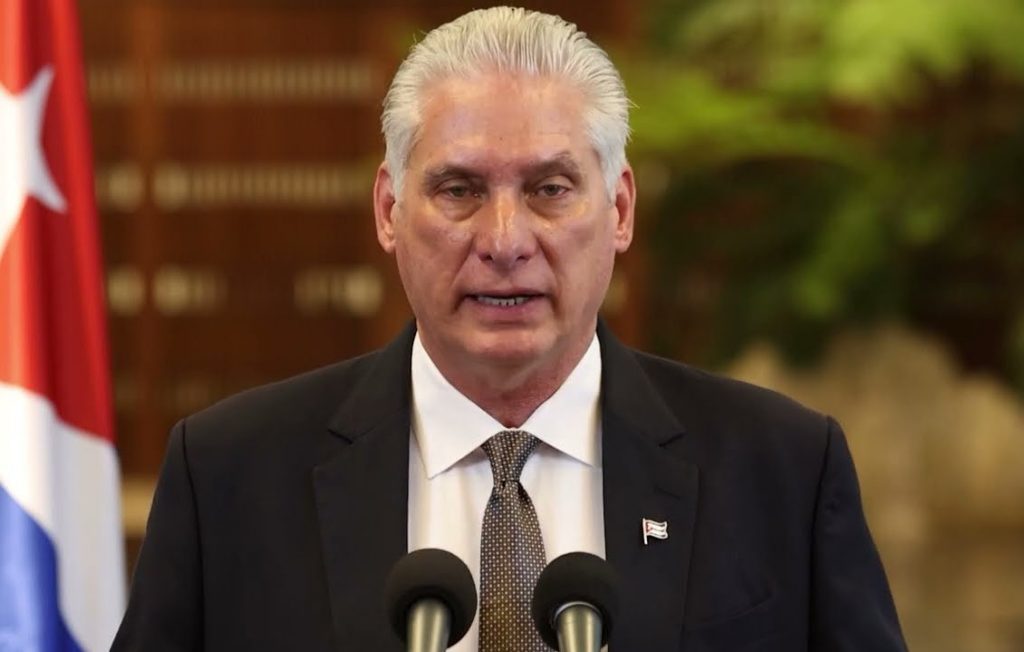
Trump addressed Cuba directly and left little room for ambiguity. He stated that Havana’s way out is to negotiate with the United States. “Make a deal,” he urged, stressing that time is running out.
In Washington, the message was widely read as a public move to raise the cost of maintaining Cuba’s current political course.
The situation in Cuba
The potential impact is substantial. Cuba faces a deep structural energy crisis, marked by frequent blackouts, transportation disruptions, and strained electricity generation.
Venezuelan oil has long played a crucial role in cushioning that deficit. A definitive cutoff would intensify the island’s vulnerability and directly affect everyday economic activity.
The pressure extends beyond energy. Trump’s announcement aligns with recent U.S. decisions to safeguard Venezuelan oil revenues under American jurisdiction and to pursue agreements that strengthen Washington’s control over crude flows.
In that broader architecture, Cuba emerges as a key target in the effort to consolidate U.S. influence in the region.
The statement also resonates domestically. A hard line on Cuba has historically unified significant segments of the U.S. electorate, particularly those advocating tougher measures against communist governments.
By escalating his rhetoric, Trump reinforces a foreign policy stance that also serves internal political signaling.
For Havana, the challenge is twofold. First, it must seek alternative energy supplies in a volatile international market with limited financial resources.
Second, it must decide whether to engage with Washington under overt pressure. Trump’s warning leaves little doubt: energy is once again being used as a tool of power.
The threat adds strain to a Caribbean already shaped by strategic recalculations, preventive military moves, and heightened U.S. involvement. If the oil cutoff materializes, Cuba will face a harsher scenario and a defining choice: endure deeper isolation or enter negotiations on Trump’s terms—“before it’s too late.”