UN warns Chernobyl shield can no longer contain radiation after drone strike
December 9, 2025
0
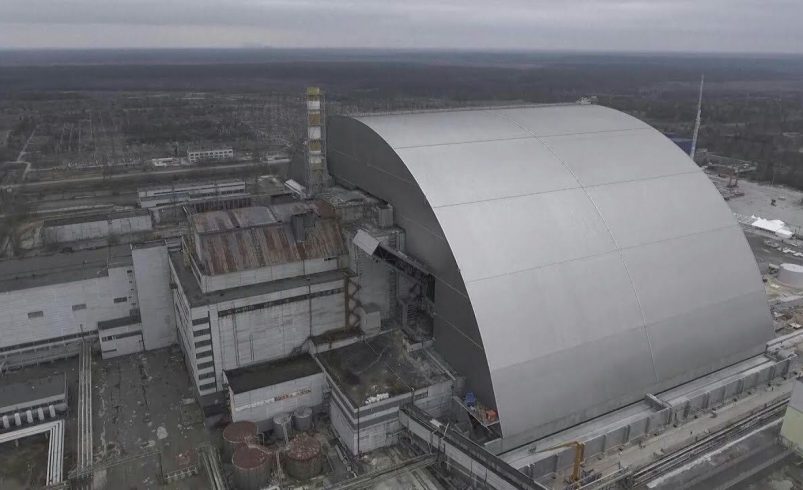
The UN warned that Chernobyl’s protective shield no longer provides full containment after a drone strike, as Ukraine accuses Russia of carrying out the attack.
The protective shield covering the Chernobyl nuclear reactor in Ukraine can no longer fulfill its main containment function following a drone strike earlier this year, according to the UN nuclear watchdog.
Inspectors from the International Atomic Energy Agency (IAEA) found that the massive structure built over the site of the 1986 disaster had lost “its primary safety functions, including containment capability.”
Ukraine blamed Russia, a claim the Kremlin denies. The IAEA said repairs are “essential” to prevent further deterioration of the nuclear shelter. However, environmental experts told the BBC that the situation does not warrant panic.
Professor Jim Smith of the University of Portsmouth noted that the greatest danger remains the radioactive dust produced in the original explosion. The risk, he said, “is low” because the contaminated material remains sealed inside the concrete sarcophagus constructed by the former Soviet Union.
1986 explosion dispersed radioactive material across Europe, prompting a massive public health emergency. The initial sarcophagus was designed to last 30 years, leading to the construction of the current protective shield to ensure safety for an additional century.
According to the IAEA, a team completed a safety assessment after the drone strike, which ignited part of the steel exterior. Inspectors found no permanent damage to the support structures or monitoring systems, and some repairs to the roof have already been carried out.
IAEA statement
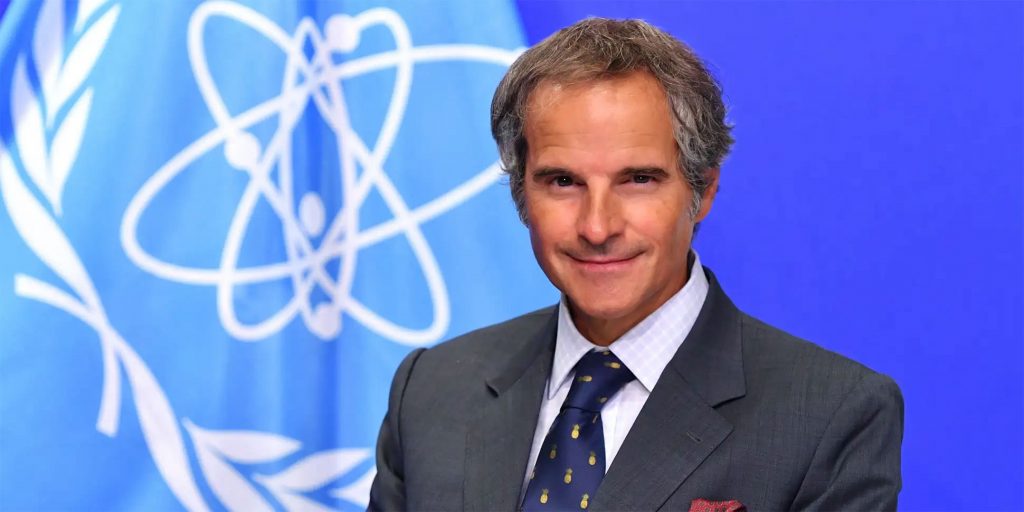
IAEA Director General Rafael Grossi warned that “timely and comprehensive restoration remains essential to prevent further degradation and ensure long-term nuclear safety.”
As Russia continues its military campaign in Ukraine, attacks have also hit industrial hubs such as Kremenchuk. In parallel, the UNnuclear agency has expanded inspections to key power substations, which are crucial to maintaining reactor cooling and ensuring safe operation.
Grossi emphasized that these substations are vital both for nuclear safety and for delivering electricity to homes and industries. Situation at Chernobyl, he added, highlights the vulnerability of nuclear facilities in active conflict zones and the urgent need for reinforced international protection.