United States Restores Caribbean Air Travel After Military Operation Shakes Venezuela
- January 5, 2026
- 0
After a military operation in Venezuela, the United States lifted Caribbean airspace restrictions as tensions rise over Maduro’s capture.

After a military operation in Venezuela, the United States lifted Caribbean airspace restrictions as tensions rise over Maduro’s capture.

The United States announced the lifting of airspace restrictions in the Caribbean that had been imposed following a military operation launched overnight against Venezuela, an action that resulted in the capture of President Nicolás Maduro and sent shockwaves across the region.
U.S. Transportation Secretary Sean Duffy confirmed late Saturday that the restrictions would expire at 12:00 a.m. ET, allowing commercial flights to gradually resume. He stated that airlines had already been notified and were adjusting schedules to restore affected operations.
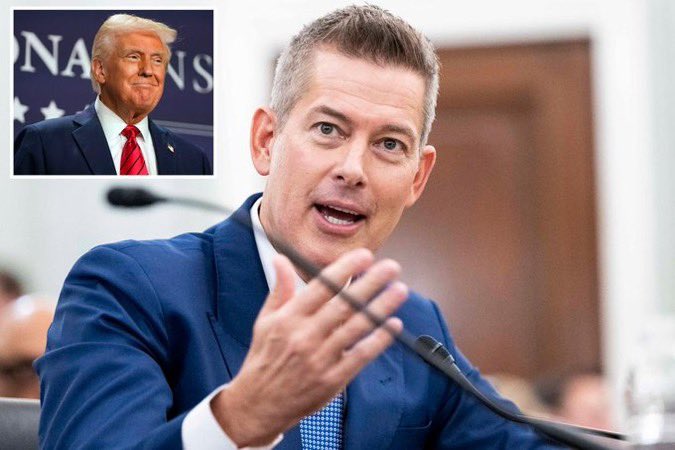
“The original restrictions in Caribbean airspace expire at 12:00 ET and flights may resume. Airlines are informed and will update their schedules quickly,” Duffy said on X, urging passengers to contact airlines directly for updates.
Earlier, Duffy explained that the Federal Aviation Administration (FAA), in coordination with the Department of War, restricted airspace over the Caribbean and Venezuela to ensure passenger safety during military operations.
The move triggered widespread flight cancellations across major U.S. carriers. American Airlines, Delta Air Lines, JetBlue, Southwest Airlines, and United Airlines grounded hundreds of flights on Saturday, particularly on Caribbean routes.
JetBlue alone canceled at least 215 flights due to the airspace closure. Puerto Rico was the hardest hit destination, with 357 cancellations at Luis Muñoz Marín International Airport.
In Aruba, part of the Kingdom of the Netherlands, at least 89 flights were canceled, many operated by Dutch carrier KLM.
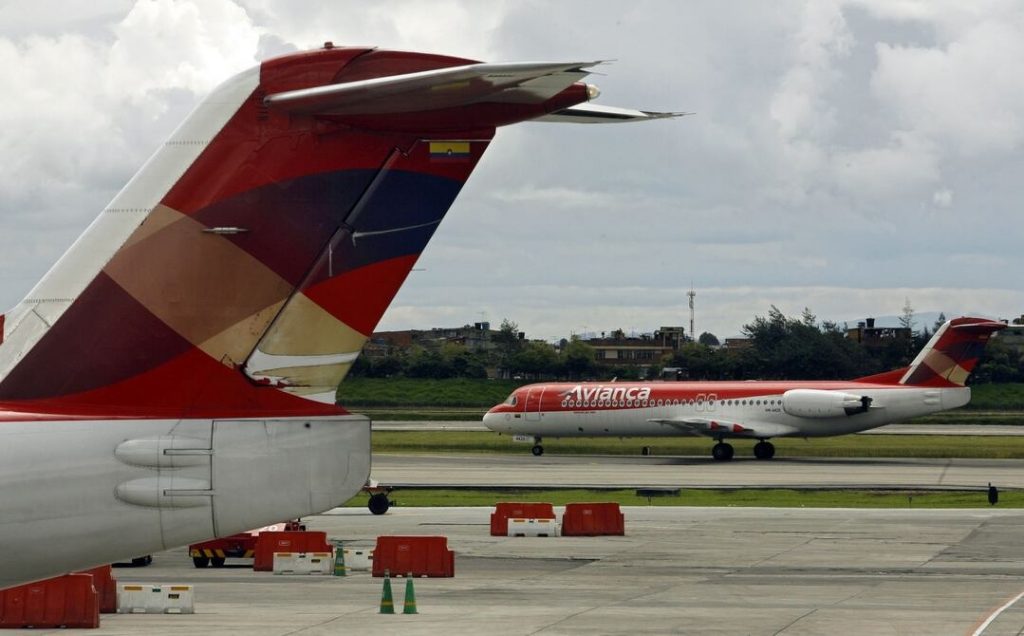
Flights departing Miami toward the Caribbean were especially affected, as many commercial routes rely on corridors near Venezuelan airspace. The disruption highlighted the region’s dependence on those pathways and magnified the logistical consequences of the conflict.
Meanwhile, flight-tracking platform Flightradar24 reported no commercial aircraft over Venezuela for several hours, confirming the country’s near-total aerial isolation. The empty radar screens underscored the scale of the operation and the caution exercised by international airlines.
At Miami International Airport, cancellations led to long lines, last-minute rebookings, and widespread uncertainty. Many affected passengers were Latin American residents with family or business ties to the Caribbean and Venezuela, intensifying the emotional impact.
Airlines and airport authorities warned that further adjustments could occur depending on regional security developments and political decisions by involved governments.
Uncertainty deepened after President Donald Trump stated that the United States was prepared to escalate militarily if needed. “We are ready for a second wave of attacks in Venezuela if necessary,” he said during a press conference.
Trump praised the Caracas operation, comparing it to previous high-profile military actions. “It was an extraordinary operation.
The force used successfully captured dictator Maduro in the middle of the night,” he said, confirming that Maduro and his wife, Cilia Flores, were transferred to New York to face drug trafficking charges.