PIX: Brazil’s free payment system fueling a clash between Trump and Lula
October 5, 2025
0
The free digital platform is used by 80% of Brazilians and accounts for half of all transactions. Its success has sparked a dispute between Brazil, Donald Trump, and
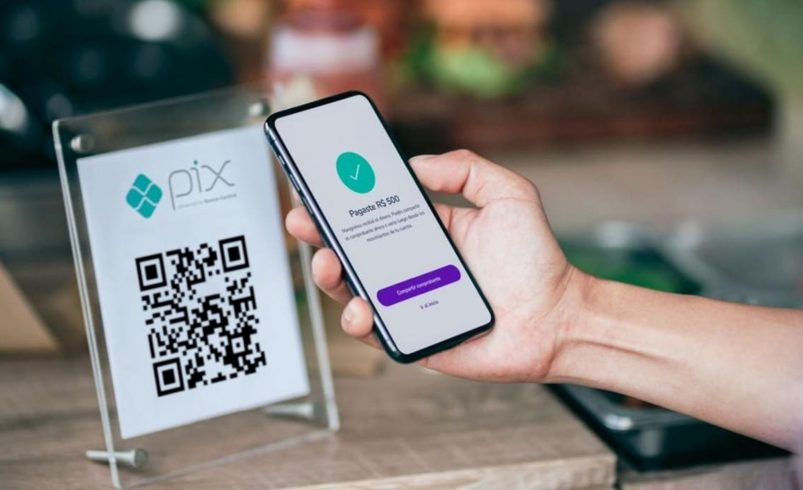
In Brazil, the everyday question of “cash or card?” has been replaced by a new answer: PIX. This instant, free, digital payment method has become a cornerstone of daily life, used by 80% of consumers and representing half of all financial transactions nationwide.
Launched in 2020 by the Central Bank, PIXis now considered one of the most innovative financial systems in the world.
Yet its popularity has turned into a geopolitical flashpoint. Former U.S. president Donald Trump has accused PIX of “unfairly undermining” American companies like Visa, Apple, PayPal, and Mastercard.
The White House has opened a formal investigation, framing PIX as part of its broader economic offensive against Lula da Silva’s government.
PIX works with QR codes or personal “keys,” often a mobile number, to complete instant transfers. For many, it avoids fees from credit cards or currency exchanges, making it especially useful for tourists from neighboring countries like Argentina.
The system was inspired by models in the United States, India, and China but customized for local needs. Its real impact lies in financial inclusion: millions of low-income and informal workers, once excluded from the banking system, now use PIX to pay, save, and access credit.
The U.S. has voiced concern that Brazil’s control over consumer data through PIX prevents American firms from accessing information they consider “crucial” for innovation and product development. “This grants significant power to the Brazilian government,” said Ignacio Carballo, a consultant for Payments and Commerce.
Trump’s stance and Lula’s defense
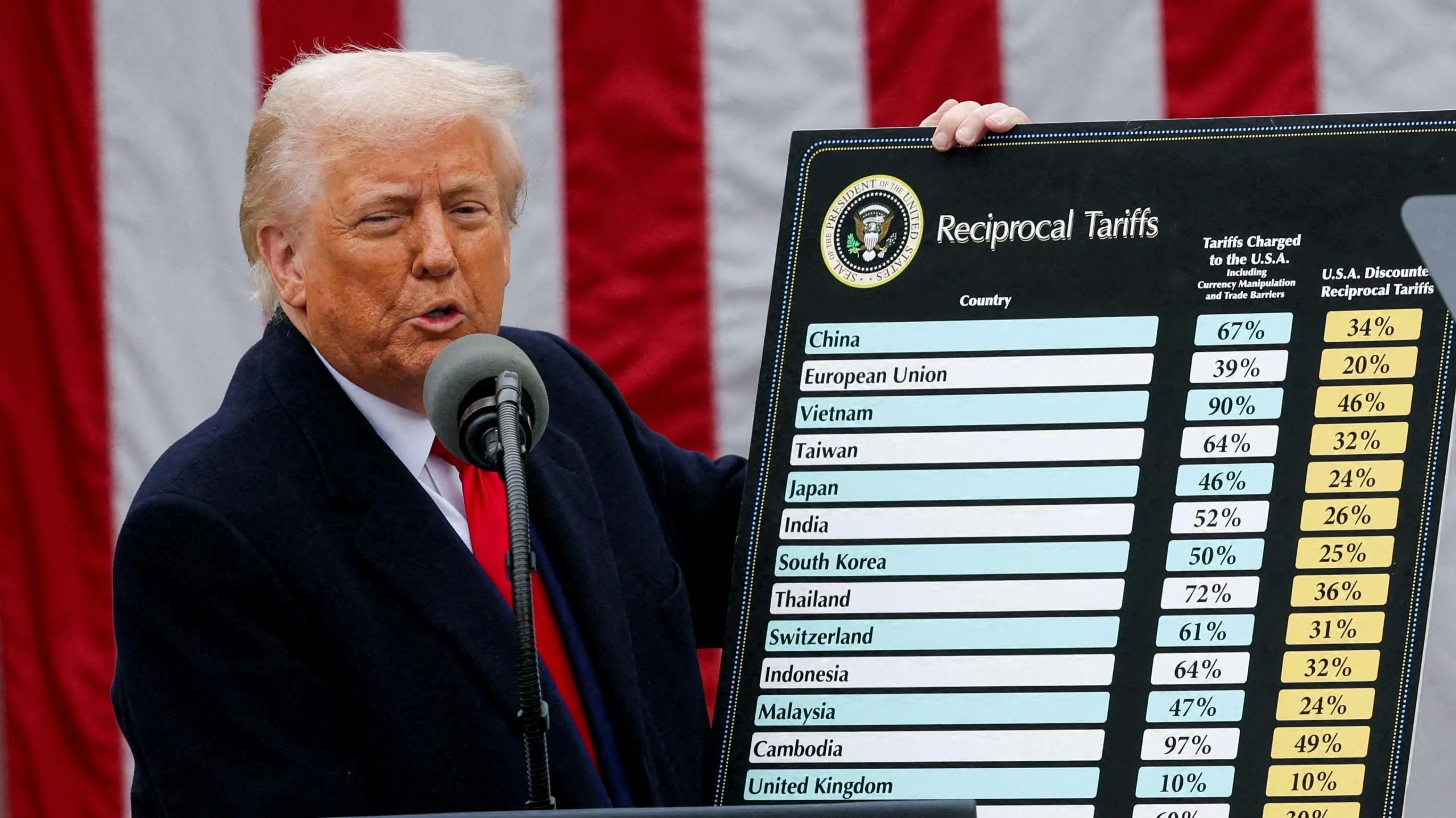
Donald Trump has seized on the issue to strengthen his protectionist platform, adding tariffs and criticizing Lula’s economic policies. He has also linked the dispute to his support for Jair Bolsonaro, his close ally now facing investigations for anti-democratic actions.
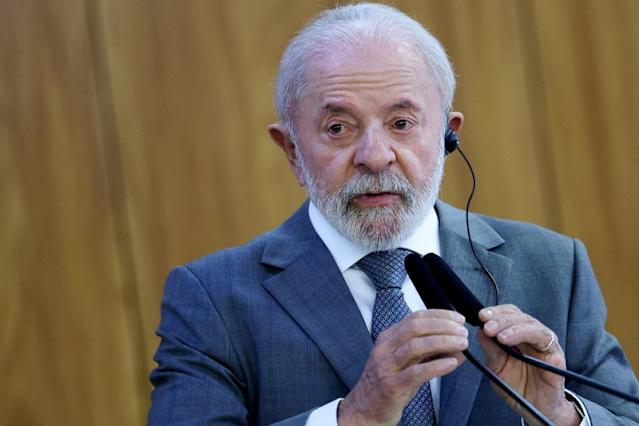
In response, Brazil launched a viral campaign proclaiming: “PIX belongs to Brazil and the Brazilian people!” Writing in The New York Times, Lula da Silva defended the system as a symbol of sovereignty: “We cannot be punished for creating a fast, secure, and free mechanism that benefits millions and drives our economy.”
With 175 million users in just three years, PIX has become a global model of digital finance. Unlike services such as Zelle in the U.S., PIX does not charge individuals or small businesses, which has fueled its adoption across the country.
At stake is not just a payment platform, but competing visions of economic sovereignty. PIX represents a public, inclusive model of financial infrastructure, while U.S. criticism reflects a private, corporate-driven approach. The battle over PIX is the latest front in the growing tension between Brazil and the United States, with Donald Trump and Lula da Silva at its center.