Bangladesh erupts after pro-democracy youth leader’s killing fuels political crisis
December 19, 2025
0
The death of Sharif Osman Hadi triggered mass protests, arson attacks, and clashes in Dhaka amid rising political tensions ahead of the 2026 elections.
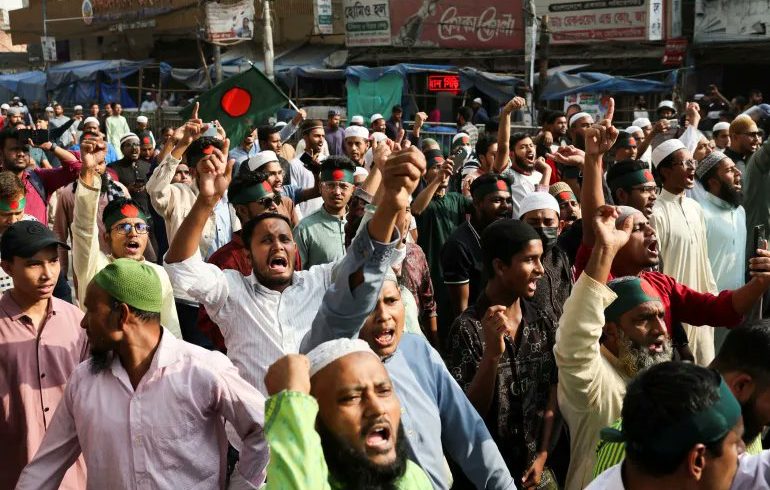
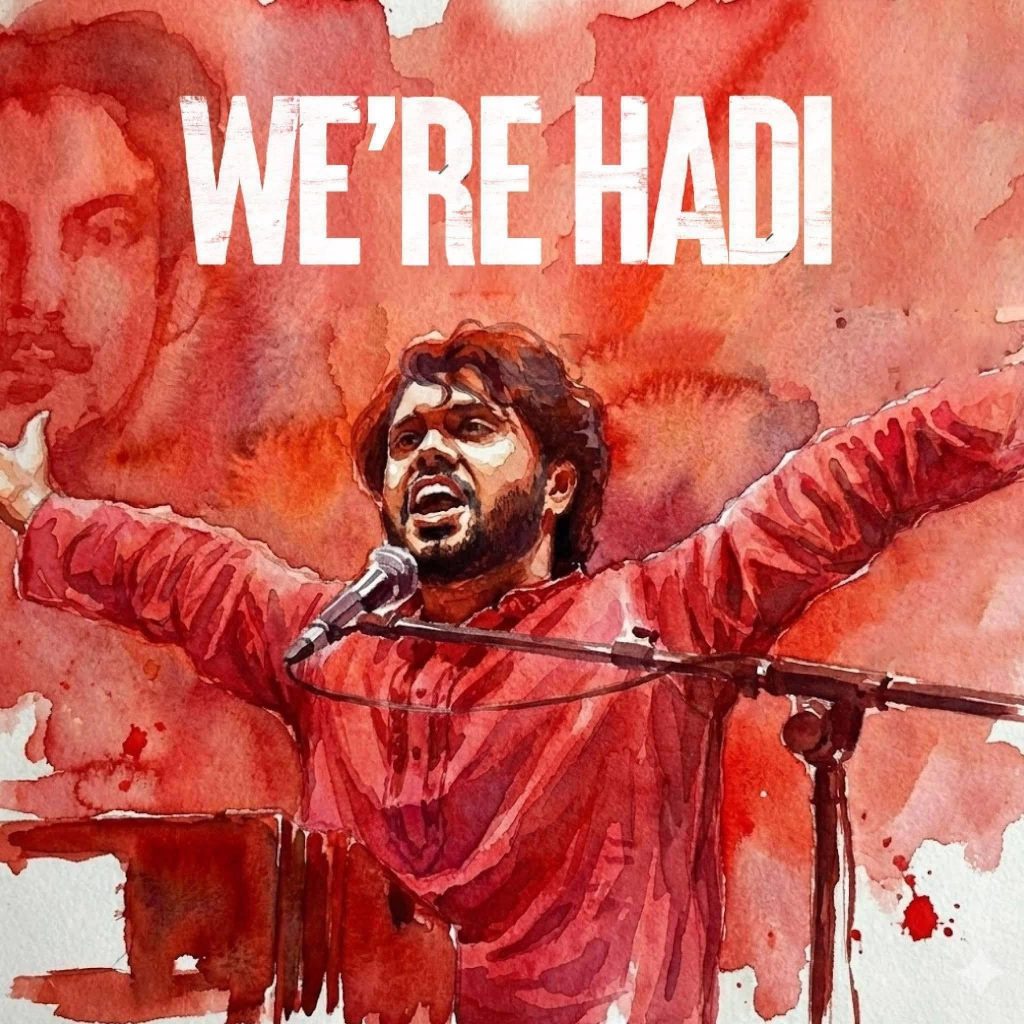
Thousands of people flooded the streets of Dhakaon Friday after authorities confirmed the death of Sharif Osman Hadi, a prominent youth leader and key figure in Bangladesh’s pro-democracy movement.
His passing, following weeks of hospitalization in Singapore, sparked widespread protests that quickly escalated into violent clashes and urban unrest.
Hadi, 32, had been critically wounded in a gun attack on December 12. The interim government announced his death and declared a half-day of national mourning, calling it “an irreparable loss for the nation.”
Demonstrators set fire to at least three major buildings, including the headquarters of The Daily Star and Prothom Alo, Bangladesh’s most influential newspapers.
Police deployed tear gas to disperse crowds demanding accountability and alleging state protection for those behind the killing.
Interim leader and Nobel Peace Prize laureate Muhammad Yunus confirmed cooperation with Singaporean authorities to repatriate Hadi’s body. In a televised address, Yunus stated that “the march toward democracy cannot be stopped by fear, terror, or bloodshed.”
Pro-democracy leaders accused remnants of the former political establishment of orchestrating the attack as part of a plan to destabilize the country and undermine the 2026 parliamentary elections.
Speaking at the iconic Shaheed Minar, political figure Mahmudur Rahman demanded the extradition of those responsible and the return of exiled political leaders.
Protests in different parts of the city
Protests spread beyond the capital, with road blockades near Mymensingh and unrest in Chittagong, where former officials’ residences were targeted. Authorities ordered special prayers in mosques and intensified security operations nationwide.
Police released images of two suspects and announced a reward of five million taka (around USD 42,000) for information leading to their arrest. The killing has deepened political polarization following the ouster of former Prime Minister Sheikh Hasina.
Observers draw parallels with episodes of popular rebellion seen in parts of Africa, where political assassinations ignited mass protests and prolonged instability.
In Bangladesh, fears are growing that the violence marks the beginning of a new and dangerous chapter ahead of a pivotal democratic vote.