CDC Director fired amid political tensions and public health crisis
August 28, 2025
0
The ouster of Susan Monarez from the CDC has triggered a wave of resignations, accusations of politicization in public health, and questions about the role of the Trump
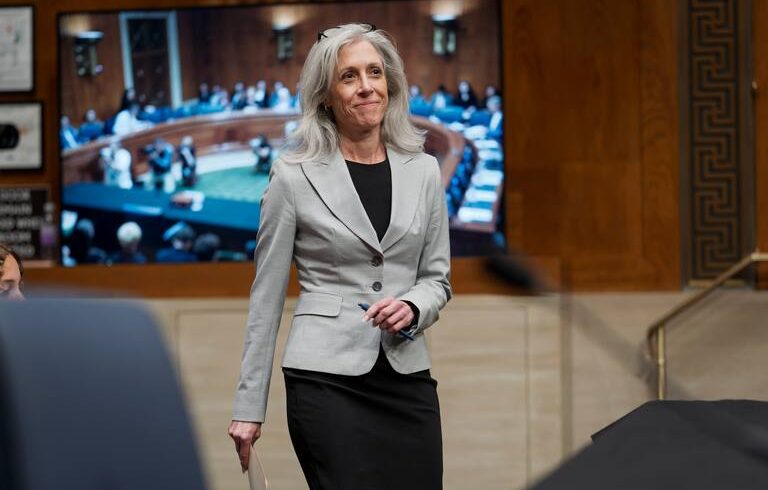
Susan Monarez, director of the Centers for Disease Control and Prevention (CDC), was officially removed from her position after a confusing announcement that sparked internal resignations and allegations of political interference in public health.
The decision, later confirmed by the White House, comes less than a month after Monarez was confirmed by the Senate—an unprecedented situation in the agency’s recent history.
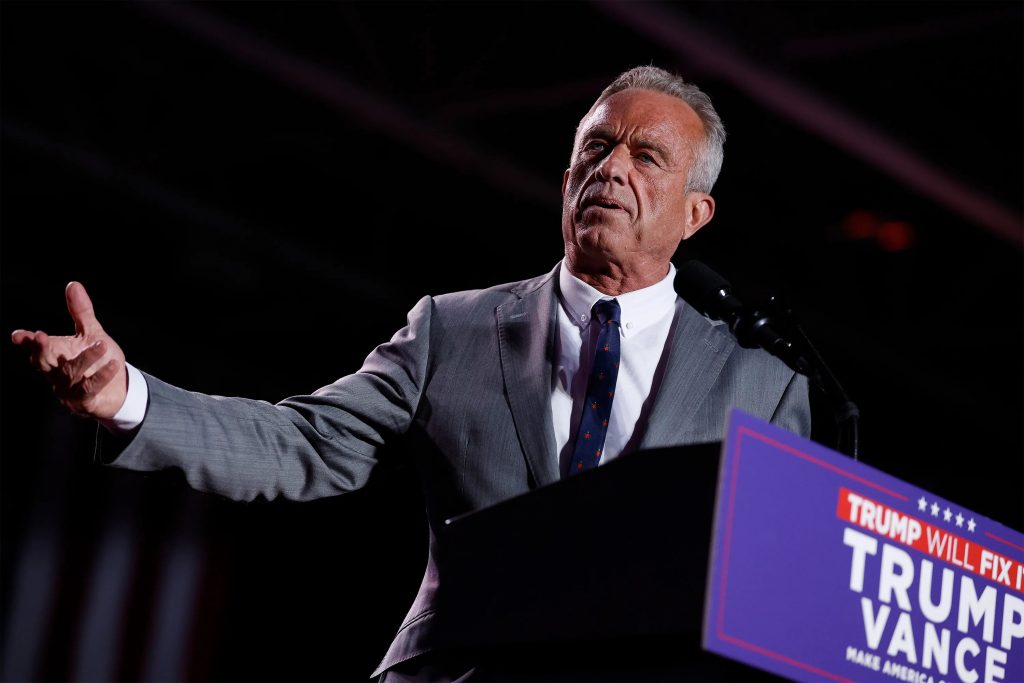
The first reports came from the Department of Health and Human Services (HHS), led by Robert F. Kennedy Jr., a well-known vaccine skeptic. On the social platform X, HHS announced Monarez’s departure without providing details.
Robert F. Kennedy Jr
Within hours, three senior CDC officials—Deb Houry, Dan Jernigan, and Demetre Daskalakis—resigned in protest over budget cuts and what they described as dangerous misinformation promoted by the Trump administration.
Monarez’s lawyers, Mark Zaid and Abbe Lowell, initially denied that she had resigned or been lawfully dismissed. They argued the move was political retaliation after she refused to sign off on “unscientific and reckless” directives or to fire experienced public health experts.
In a statement, they said Monarez chose to stand with science over politics, which made her a target.
Even so, the White House confirmed her dismissal. Deputy spokesman Kush Desai said Monarez “is not aligned with the president’s ‘Make America Healthy Again’ agenda,” referencing Kennedy Jr.’s campaign as head of HHS. The statement reinforced the perception that the CDC is under heavy political pressure.
The case carries added weight because Monarez was the first CDC director confirmed by the Senate, after being nominated by Trump when he withdrew the candidacy of former Florida congressman David Weldon. Her lawyers argue that since the post is a presidential appointment, only Trump has the authority to remove her.
The shake-up comes as U.S. vaccine policy undergoes a major shift. Federal regulators recently approved a new round of COVID-19 vaccines limited to high-risk groups, while revoking emergency use authorization for broader access. The move reflects a more skeptical stance toward vaccines, in line with Kennedy Jr.’s views.
An ideology at the head of the Department
Kennedy Jr.’s controversial positions extend beyond vaccines. He has spoken out against abortion and the fluoridation of public water supplies—both practices backed by decades of scientific consensus.
He also announced plans to release a report linking autism to certain environmental and medical factors, including vaccines, despite overwhelming evidence from the scientific community rejecting such claims.
The firing of Monarez highlights the fragile balance between science and politics in managing public health. Supporters argue her removal undermines trust in key health institutions, while the administration insists these changes are necessary to reform “stagnant” agencies.
Either way, the future of the CDC remains uncertain as the United States faces major challenges with infectious diseases and declining public trust in science.
At the same time, the HHS secretary dismissed all 17 members of the CDC’s vaccine advisory committee, claiming the move would rebuild public trust. Health experts slammed the decision as a setback that could leave the country more vulnerable to future outbreaks.
What’s at stake goes far beyond a single leadership change: it’s about the direction of national health policy under Trump and Kennedy Jr., with consequences that could affect millions of Americans for years to come.