Ecuador declares state of emergency in seven provinces amid protests
- September 17, 2025
- 0
Ecuador imposes a state of emergency and limits gatherings to maintain security following roadblocks and protests over diesel subsidies.

Ecuador imposes a state of emergency and limits gatherings to maintain security following roadblocks and protests over diesel subsidies.
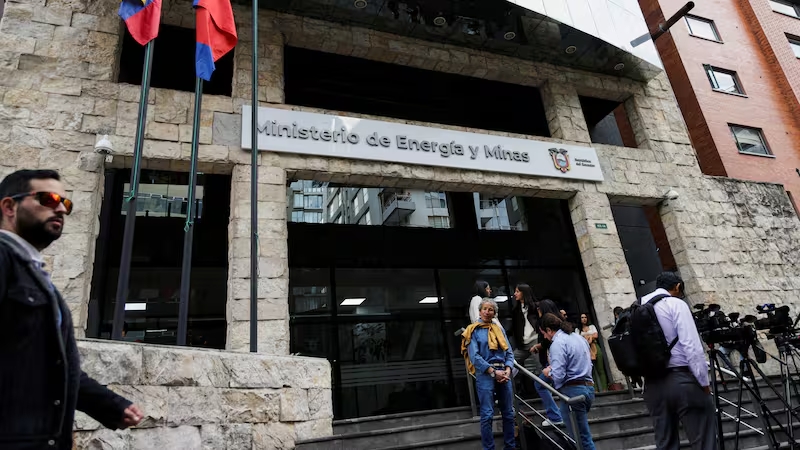
President of Ecuador, Daniel Noboa, declared a state of emergency this Tuesday in seven provinces due to protests sparked by the removal of diesel subsidies, which raised its price from $1.80 to $2.80 per gallon.
The measure, affecting Carchi, Imbabura, Pichincha, Azuay, Bolívar, Cotopaxi, and Santo Domingo, will last 60 days and includes the suspension of the right to assembly.
The government stated that roadblocks disrupted the food supply chain and restricted free movement, causing several economic sectors to halt. Police and military forces are authorized to intervene and dismantle public gatherings where threats to citizen security are identified.

On Tuesday, the Panamericana Norte, the main road to Quito, was blocked with stones and dirt piles. On Monday, truck drivers had closed some highways, which were cleared hours later without reports of injuries or fatalities.
The United Workers Front (FUT) announced a march on September 23 to protest the subsidy removal, while university students held demonstrations in Quito Tuesday afternoon. These protests highlight the social tension caused by government fuel policies and their direct impact on the cost of living.
Historically, Ecuador has experienced significant protests over fuel price hikes. Former presidents Lenín Moreno and Guillermo Lasso faced mobilizations led by the indigenous organization Conaie when attempting to raise diesel prices.
The presidential decree emphasizes that the measures aim to ensure normal economic activity and protect citizens from risk. However, social leaders and students have expressed concerns over the suspension of fundamental rights such as freedom of assembly and expression.
The government insists that these actions are necessary to safeguard security, maintain supply chains, and prevent a collapse in critical economic sectors, while protesters warn they will continue mobilizing until fuel policies are revised.