Egyptian activist Alaa Abd el-Fattah, one of the most prominent political prisoners in Egypt, was released Monday night after receiving a presidential pardon. Abd el-Fattah, 43, had spent the past six years in prison.
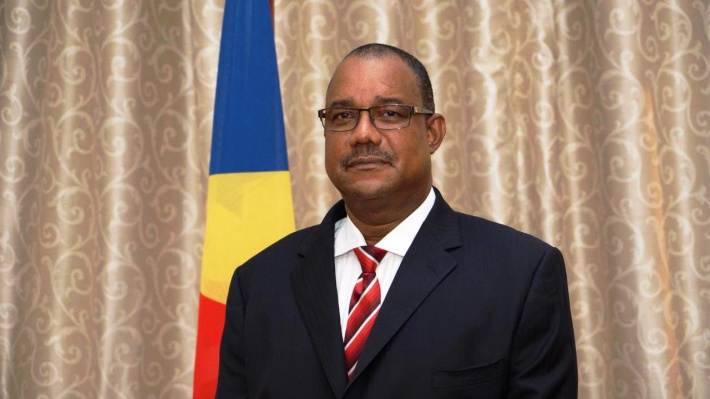
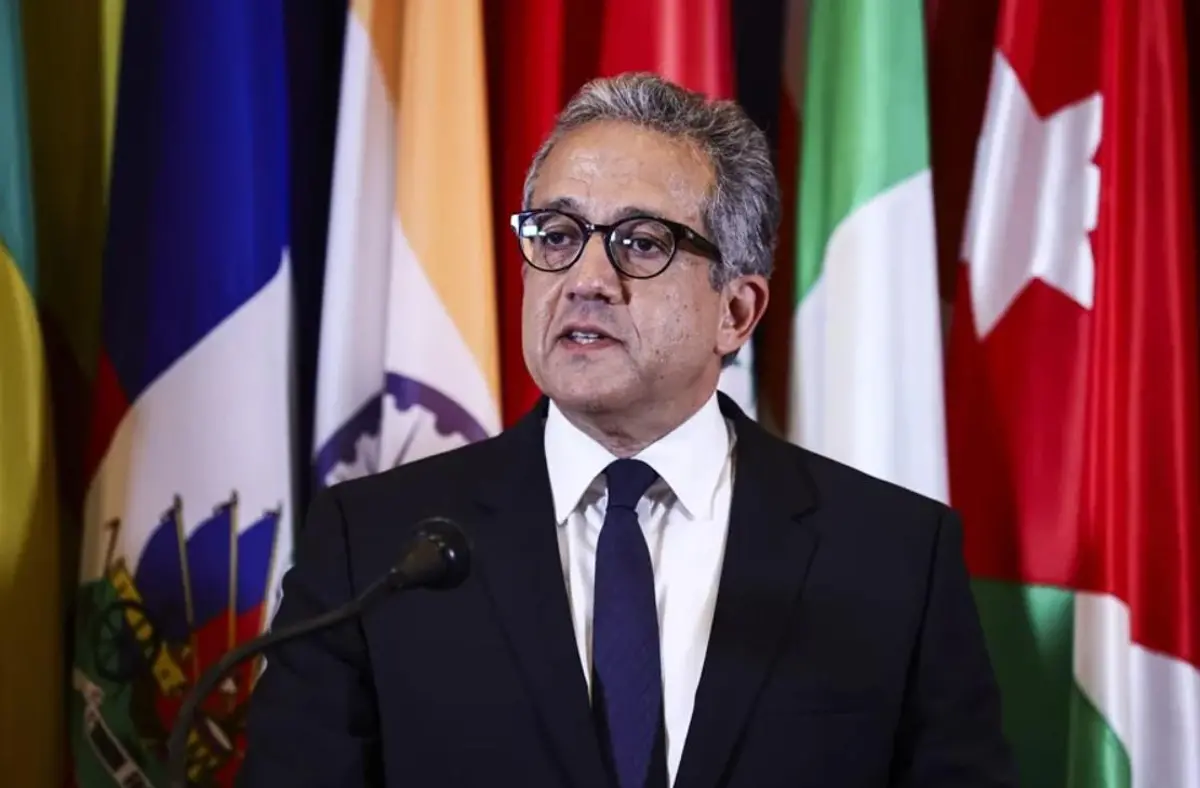
His release follows a request from the National Council for Human Rights, and President Abdul Fattah al-Sisi ultimately granted the pardon.
The move raises new questions about the broader fate of thousands of political detainees in the country.
Shortly after his release, Abd el-Fattah shared a video showing him at home celebrating with his sister, Sanaa Seif, and his mother, Laila Soueif.
Soueif, who went on a prolonged hunger strike during her son’s imprisonment, expressed both joy and caution: “Although we are happy, the real celebration will come when there are no political prisoners left in Egypt.”
UK Foreign Secretary Yvette Cooper welcomed the news: “We thank President al-Sisi for this decision and look forward to Alaa being reunited with his family in the UK.”
Throughout his imprisonment, Abd el-Fattah staged several hunger strikes, the most recent in September, in protest of his prolonged detention and in solidarity with his mother. He has become a symbol of the crackdown on pro-democracy movements in Egypt following the Arab Spring.
The judicial history
Abd el-Fattah’s legal history reflects a cycle of convictions and detentions. In 2014 he was sentenced to 15 years in prison for attending a protest without authorization, a term later reduced to five years.
Freed in 2019 under conditional release, he was rearrested and sentenced to another five years for allegedly spreading “false news” after reporting the torture-related death of another prisoner.
His family insisted that he should have been released in September 2024, but Egyptian authorities did not count the two years he spent in pretrial detention, effectively extending his sentence. This irregularity prompted his mother to launch a hunger strike that drew international attention.
In 2021, Abd el-Fattah obtained British citizenship through his mother. His case gained global visibility as NGOs and foreign leaders campaigned for his freedom.
His release is being hailed as a partial victory for civil society, yet it also raises the question of whether Egypt is genuinely moving toward improved Human Rights protections or if this pardon is merely an isolated concession amid growing international pressure.