Markets Bet on Historic Shift in Venezuela After Maduro’s Capture
- January 7, 2026
- 0
Venezuelan bonds soar after Nicolás Maduro is captured by the United States, fueling expectations of political change in Venezuela.

Venezuelan bonds soar after Nicolás Maduro is captured by the United States, fueling expectations of political change in Venezuela.
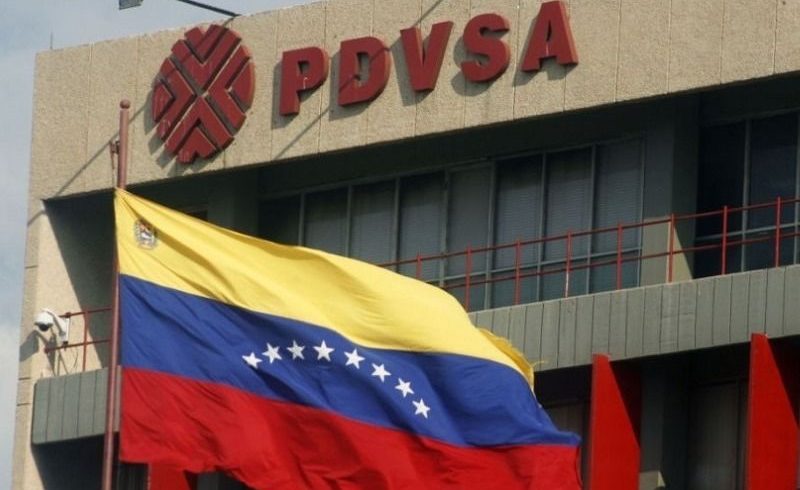
Financial markets rallied sharply after the capture of Nicolás Maduro by the United States, an event that immediately reshaped expectations about Venezuela’s political and economic future.
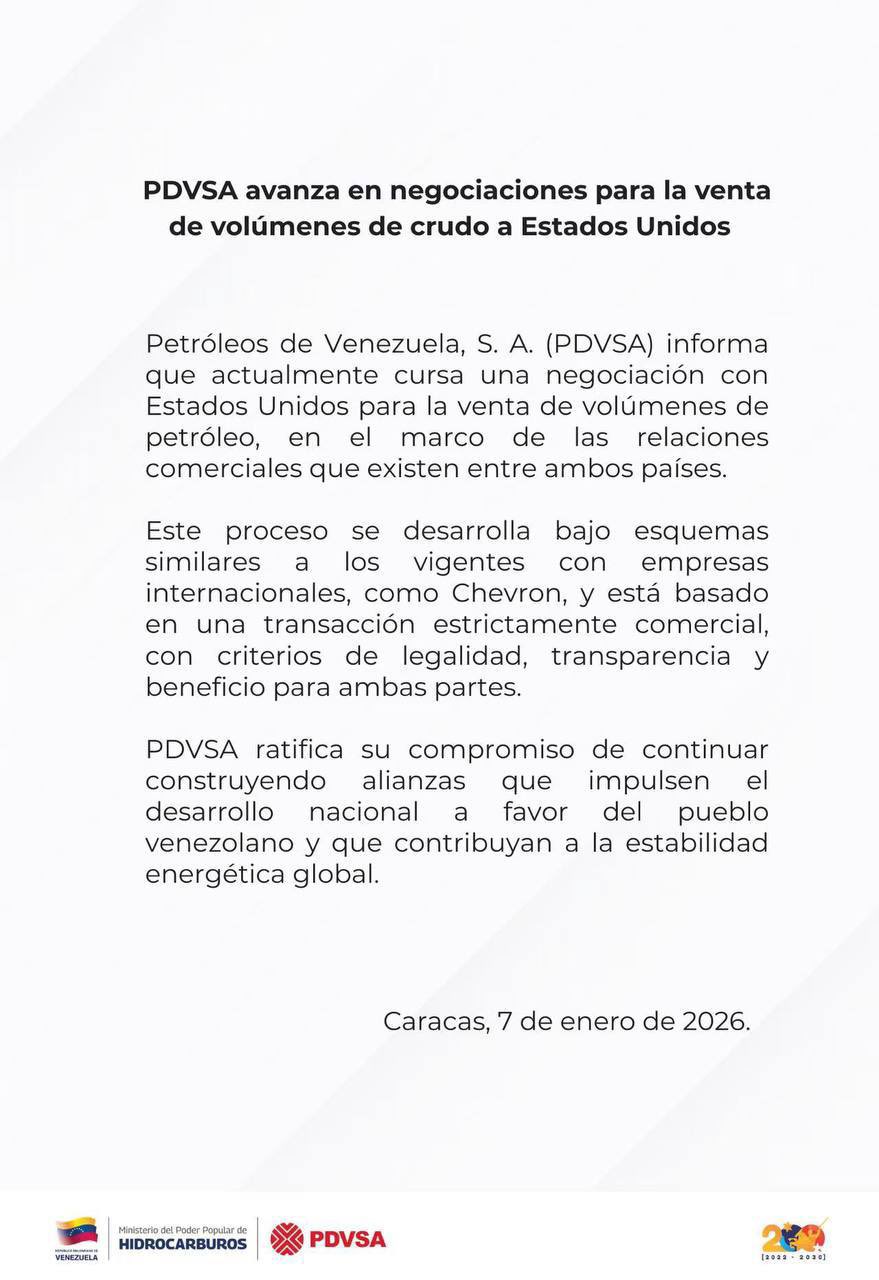
Sovereign bonds and debt issued by state oil company PDVSA, long in default, posted their strongest gains in years as investors priced in the possibility of regime change and a future debt restructuring.
Venezuelan bonds maturing in 2027 jumped as much as 7 cents on the dollar, a gain of roughly 22% and the largest daily increase since 2023.
The rally pushed prices close to 40 cents on the dollar, double their level just six months ago, though still below recovery values envisioned under a full normalization scenario.
Hedge funds and emerging-market investors had been quietly accumulating Venezuelan debt at distressed prices for months, betting on rising pressure from the United States against Maduro’s government.
The president’s capture over the weekend, followed by comments from U.S. President Trump suggesting Washington would play a guiding role in Venezuela’s transition, dramatically accelerated those expectations.
Barclays swiftly upgraded its view on Venezuelan bonds, reversing a negative stance within hours. In a note to clients, the bank admitted its previous outlook had been “overtaken by events” following the U.S. intervention.
“The scale of U.S. power projection is far beyond what markets had priced in,” said Bradley Wickens, founder of Broad Reach Investment Management. “The commitment to steer the country, even politically, fundamentally changes the outlook. Further upside is highly likely.”
Broad Reach Master Fund, which manages about $1.5 billion, has gained more than 5% this year after rising 12% in 2025. Wickens said Venezuelan bonds account for a significant portion of those returns, describing the position as one of the fund’s highest-conviction trades.
Shares of asset managers with heavy exposure to emerging markets also rallied. Ashmore Group climbed as much as 14% on speculation that it would benefit from Venezuela’s potential financial normalization.
Political signals from Caracas added to market optimism. Interim President Rodríguez softened her tone, shifting from condemning Maduro’s capture to calling for a “cooperation agenda” with the United States—a move investors viewed as an effort to ease tensions and pave the way for a managed transition.
Some funds are already preparing to deploy capital. Cleary, managing partner at Tribeca Investment Partners, said he plans to send a team to Caracas to assess assets and meet potential partners. He indicated he could allocate up to 10% of his fund’s capital to Venezuelan-related investments if the transition gains credibility.
Citigroup likened a potential Venezuelan restructuring to Greece’s 2012 overhaul, emphasizing the need for a legitimate government capable of negotiating reforms, likely with IMF backing.After years of economic collapse, sanctions and isolation, investors are betting that Maduro’s removal could mark the beginning of Venezuela’s reintegration into the global economy.