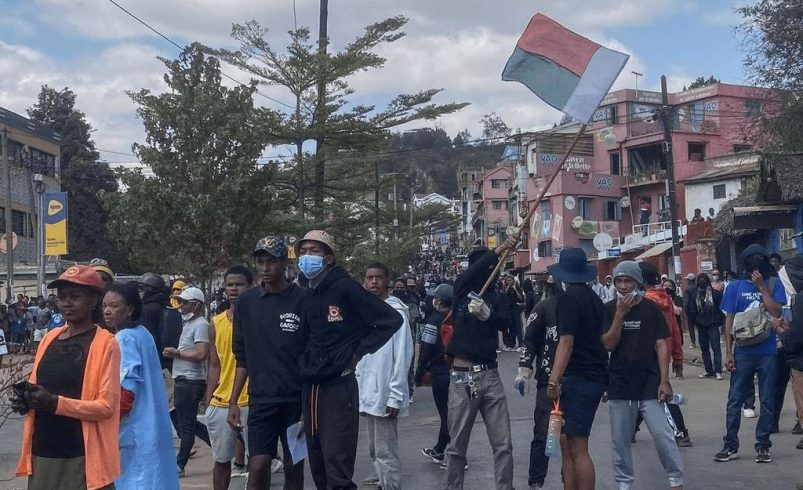
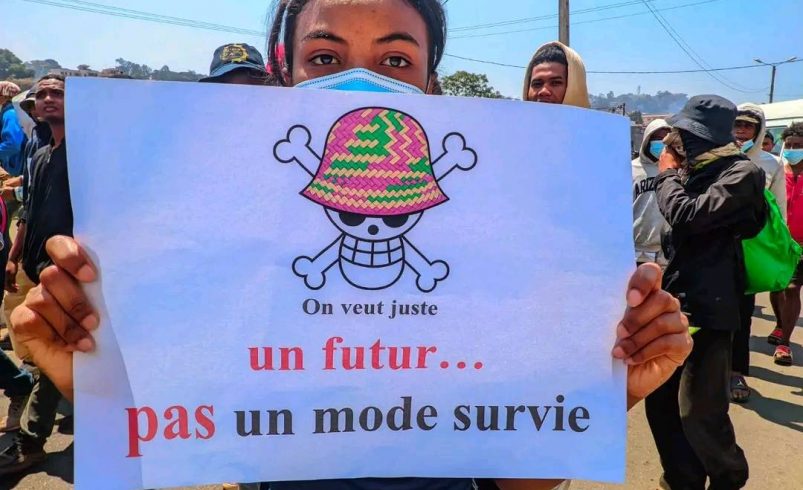
The streets of Morocco have erupted with demonstrations led by Generation Z, a digitally connected youth frustrated with corruption, inequality, and lack of opportunities.
Since last weekend, protests have spread across at least 11 cities with chants such as “We don’t want the World Cup, we want healthcare” and “Hospitals, not stadiums,” signaling deep discontent with the government’s priorities.
Unlike traditional political movements, this uprising has no visible leaders. Instead, it thrives on spontaneity and organization through social media. Under the hashtag #GenZ212, groups like Gen Z 212 and Morocco Youth Voices have mobilized thousands via TikTok, Discord, and Instagram.
Their message is clear: Morocco’s youth demand structural reforms in healthcare, education, and employment.
“There is no hope anymore,” said Youssef, a 27-year-old engineer protesting in Casablanca. “I don’t want minor reforms. I want a change of the whole system: better wages, better jobs, lower prices, and a dignified life.”
Authorities have responded with arrests. In Rabat, more than a hundred detentions were reported, while dozens more occurred in Marrakech, Agadir, and Souk Sebt. Most protesters were released within hours, but repeat demonstrators now face charges of public disorder.
Preventive bans on gatherings have not stopped the youth from marching. “We love this country deeply and feel a burning desire for its progress,” declared one young activist before being detained.
At the heart of the unrest lies a severe socioeconomic crisis. Youth unemployment reached 35.8% in the second quarter of 2025, leaving thousands without stable prospects. Many are forced into informal jobs or emigrate in search of better opportunities.
Morocco and the 2030 World Cup: a hidden crisis
Morocco is often described as a country moving at “two speeds.” On one side, high-profile projects like Africa’s first high-speed train, the Tanger Med and Nador West Med ports, and massive investments for the 2025 Africa Cup of Nations and the 2030 World Cup.
On the other side, rural communities where more than half of households lack running water, and survivors of the 2023 earthquake still live in tents without access to healthcare or education.
The breaking point came with the August scandal at Hassan II Hospital in Agadir. In just ten days, eight pregnant women died after cesarean procedures in filthy, understaffed operating rooms infested with cockroaches.
Le Monde reported chilling testimonies from patients’ relatives who said they were treated “like cattle,” forced to bring their own supplies due to shortages.
For many, this tragedy epitomized the neglect of basic services while the state spends heavily on mega sporting events. Now, Morocco’s streets echo with a generational demand.
Generation Z is not only calling for incremental improvements but for a complete rethinking of the country’s development model. And while authorities attempt to suppress the movement, the spirit of the 2011 Arab Spring has returned—this time, fueled by digital tools and a new generation’s determination.