Nepal in flames: the chaos sparked by Social Media Ban
- September 9, 2025
- 0
What began as a peaceful digital protest in Nepal turned into massive violence, leaving dead, buildings burned, and chaos sweeping across Asia.
What began as a peaceful digital protest in Nepal turned into massive violence, leaving dead, buildings burned, and chaos sweeping across Asia.

In less than 48 hours, Nepal plunged into total chaos. What started as a peaceful protest against digital censorship quickly escalated into an insurrection, leaving the country without a government, with the military on the streets, and more than twenty dead.
The uprising reflects a mix of youth frustration, political corruption, and the explosive power of social media.
On Thursday, September 4, the government of Prime Minister K.P. Sharma Oli blocked 26 social media platforms, including Facebook and YouTube, in response to the viral TikTok campaign called “Nepo Kid,” which exposed the corruption of the political elite. Citizens perceived the ban as a direct act of censorship.
Early that morning, thousands of young people, many in school uniforms, gathered in Kathmandu to march toward Parliament. By 11:00 a.m., tensions rose at the New Baneshwar barricades, and police responded with water cannons and tear gas.
By midday, the situation escalated drastically. Videos circulating online showed young people being struck down as police dispersed protesters. By the end of the day, 19 were dead and more than 300 injured.
Tear gas was even reportedly used inside hospitals treating victims. In the wake of public outrage, Interior Minister Ramesh Lekhak resigned.
On Tuesday, September 9, the situation completely collapsed. Despite the curfew, violence surged, targeting symbols of the state and political elites.
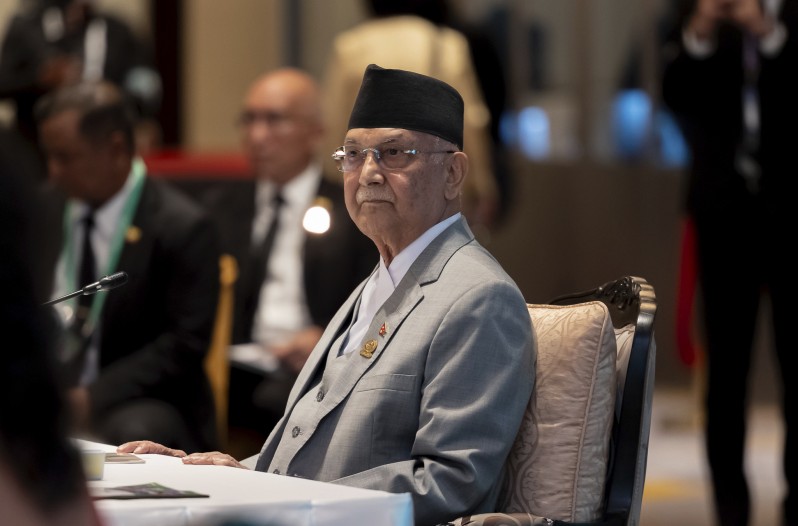
Prime Minister Oli resigned and was evacuated by the military. Protesters set fire to the Federal Parliament, the Singha Durbar government complex, the Nepali Congress headquarters, and the offices of the country’s main media group.
Private residences of Oli and the Communications Minister were also burned. Tragically, the wife of former Prime Minister Jhalanath Khanal died in her home fire. The death toll rose to at least 25.
The prison system also collapsed. Mob attacks on jails across the country freed more than 2,000 inmates, including opposition leader Rabi Lamichhane in Nakhu prison. The violence showed how quickly civil unrest, fueled by digital outrage, can overwhelm state institutions in Asia.
On Wednesday, September 10, Nepal awoke under de facto military control after the civilian government dissolved. The armed forces announced a nationwide curfew extension, while borders and airports remained closed.
The Chief of Staff has called for dialogue, positioning the military as the sole authority in the current power vacuum.
The entire country remains paralyzed, and the international community watches closely as a historically peaceful nation in Asia faces the explosive combination of digital censorship, political corruption, and social unrest—a stark warning about the vulnerability of democratic systems to rapid, violent crises in the social media era.