Spain: What the courts are investigating about Begoña Gómez, Pedro Sánchez’s wife
- May 9, 2024
- 0
In Spain, the courts summon Begoña Gómez, wife of Pedro Sánchez, to testify as part of a probe into alleged corruption.

In Spain, the courts summon Begoña Gómez, wife of Pedro Sánchez, to testify as part of a probe into alleged corruption.
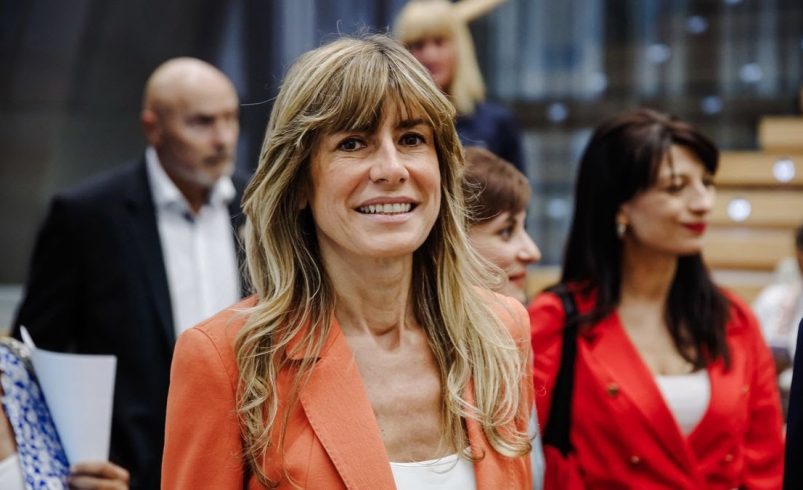
Judicial investigation involving Begoña Gómez, the wife of Spanish Prime Minister Pedro Sánchez, has once again taken center stage in Spain’s political and media landscape.
Madrid’s Court of Instruction No. 41 has rescheduled Gómez’s appearance as an investigated party for July 19, in a case examining alleged crimes of private corruption and influence peddling.
Hearing was postponed after an initial summons set for July 5 was delayed by the presiding judge, Juan Carlos Peinado.
The case stems from a complaint filed by the organization Manos Limpias, which argues that Gómez improperly leveraged her institutional position as the spouse of the head of government.
According to the complaint, Begoña Gómez may have engaged in irregular conduct connected to her professional and academic activities. One of the central allegations concerns letters of recommendation she allegedly signed in support of businessman Carlos Barrabés.
Projects linked to Barrabés reportedly secured public contracts worth nearly €10 million, prompting accusations of undue influence.

Another focal point of the investigation is the Master’s Degree in Competitive Social Transformation at Complutense University of Madrid, which Gómez directed.
The complainants claim the program was effectively “tailor-made” by Barrabés, who later joined as an associate professor, raising concerns over potential conflicts of interest.
The case also references the 2020 government bailout of Air Europa during the covid-19 pandemic. The rescue package, valued at approximately €615 million, benefited the airline owned by the Globalia group.
Accusers allege Gómez played a role in facilitating the aid, although no judicial evidence has substantiated this claim to date.
In fact, Spain’s Civil Guard Central Operative Unit (UCO) submitted a report stating there is no proof linking Gómez to the bailout decision.
Report notes that the only established connection was a coincidental meeting with a former Globalia executive and found no evidence of mediation or influence.
Another issue raised involves IE África Center, a foundation Gómez directed at the time.
The complaint alleges that Air Europa signed a confidential agreement to pay the foundation €40,000 annually, along with additional travel benefits. However, investigators have not confirmed that these arrangements constitute criminal conduct.
Influence peddling is defined under Articles 428 to 431 of Spain’s Criminal Code, while corruption between private parties is covered by Article 286 bis. The proceedings remain at a preliminary stage, meaning the court is still determining whether sufficient grounds exist to pursue formal charges.
Case features a broad coalition of popular prosecutors, including Manos Limpias, the far-right Vox party, the conservative group Hazte Oír, lawyer and YouTuber Aitor Guisasola, and the political movement Iustitia Europa.
Their involvement has fueled debate over whether the judicial process is being politicized amid Spain’s polarized climate.
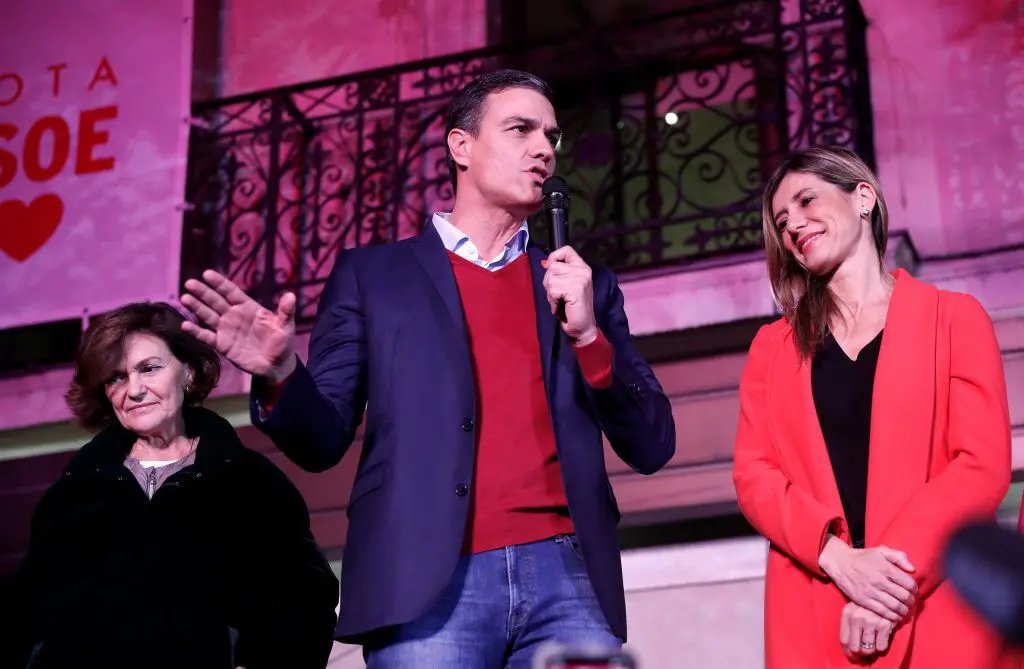
Prime Minister Pedro Sánchez has publicly defended his wife, stressing his respect for judicial independence while denouncing what he describes as politically motivated attacks based on unverified claims.
The controversy has intensified scrutiny of ethical standards and transparency at the highest levels of Spanish public life.
Gómez’s testimony on July 19 is expected to be pivotal. The ruling issued by Judge Peinado could significantly shape the legal trajectory of the case and carry broader political implications, as corruption remains a central issue in Spain’s ongoing public debate.