Saudi Arabia funds paid maternity leave in women’s tennis
- March 10, 2025
- 0
The WTA introduces paid maternity leave for professional players, a historic step made possible by funding from Saudi Arabia, sparking both praise and criticism.

The WTA introduces paid maternity leave for professional players, a historic step made possible by funding from Saudi Arabia, sparking both praise and criticism.
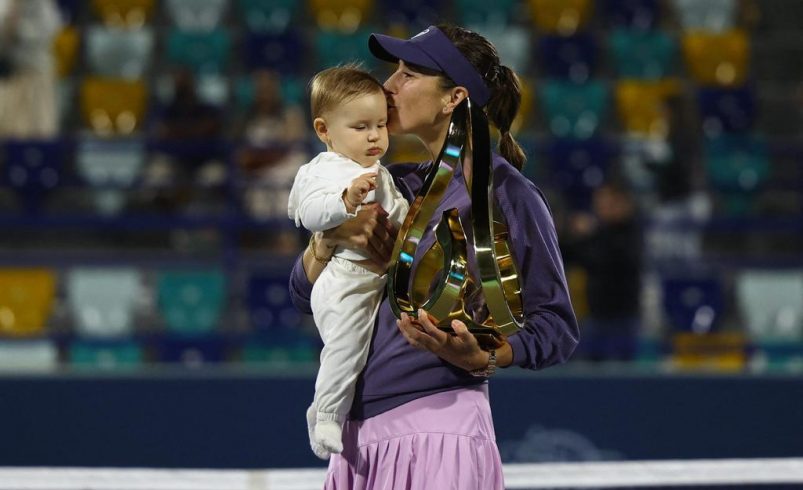
The Women’s Tennis Association (WTA) has announced a groundbreaking initiative: professional players will now receive paid maternity leave of up to twelve months.
In addition, those who become parents through surrogacy, adoption, or a partner’s pregnancy will be entitled to two months of leave. The program also offers subsidies for fertility treatments and is retroactively applied from January 1, benefiting over 320 athletes.
This marks the first time a global women’s sport provides such comprehensive protection for independent athletes. While celebrated as a major advancement for players’ rights, the initiative also raises concerns since it is entirely funded by Saudi Arabia’s sovereign wealth fund (PIF).
The plan aligns with Riyadh’s broader sports strategy. As seen in football, golf, and Formula 1, Saudi Arabia has sought global prominence through heavy investments. Critics and human rights organizations, however, see it as sportswashing — an attempt to overshadow domestic political and social issues.
Although the WTA has not disclosed specific payment amounts or tournament participation requirements, the benefits are expected to be standardized, regardless of a player’s ranking.
The announcement resonates in a circuit where Serena Williams, Angelique Kerber, and Naomi Osaka have returned after maternity breaks — though such top earners did not rely on financial support. Currently, around 25 mothers compete on the WTA Tour.

The WTA’s decision aligns with broader global initiatives. Since 2020, FIFA has required at least 14 weeks of maternity leave with two-thirds of contracted salary. In 2024, these rules were expanded, including special transfer options for pregnant players.
Canada, the UK, and the US have also established support mechanisms. Canada’s Athletes Assistance Program allocates CAD 35 million over five years for pregnant athletes. In the UK, promising amateur athletes can receive financial support during and after pregnancy if they commit to returning to competition.
In the United States, the USOPC provides scholarships and health insurance for one year after childbirth, while the WNBA guarantees full salary during pregnancy and fertility grants for veteran players.
The WTA’s policy comes amid growing athlete demands. In 2019, Olympic champion Allyson Felix revealed Nike planned to cut her salary by 70% during pregnancy. The backlash forced the brand to introduce protective clauses ensuring financial stability for at least one year.
This initiative positions women’s tennis as a pioneer in athlete maternity rights, though under the controversial sponsorship of Saudi Arabia. Yet, questions remain about the extent of foreign influence on the sport’s autonomy and its relationship with human rights.
Beyond the controversy, the WTA’s announcement marks a turning point in professional women’s sports. With Saudi Arabia’s backing — and criticism — maternity is being reframed as a compatible stage with elite competition. The WTA even hinted at incorporating artificial intelligence tools to process applications and track athletes’ return, consolidating an innovative model for the global sports landscape.